



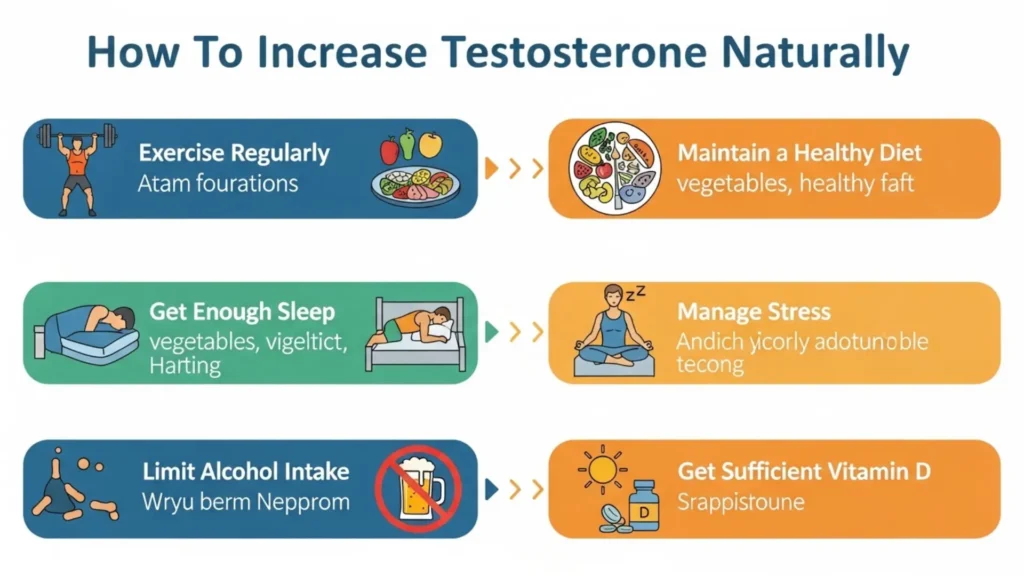

Increasing testosterone naturally can improve your energy, mood, and overall health. Many men in the UK experience low testosterone levels due to age, lifestyle, or diet. Fortunately, if you’re wondering How To Increase Testosterone Naturally, simple lifestyle changes, diet adjustments, and proper sleep can help boost testosterone production safely and effectively.
What Testosterone Does And Why It Matters

Testosterone is a crucial hormone that affects multiple aspects of a man’s health. From regulating muscle growth to influencing mood and sexual health, maintaining healthy testosterone levels is essential. Low testosterone can lead to fatigue, reduced strength, and decreased motivation, making awareness and early intervention important.
Table of Contents
How It Affects Energy, Mood, And Health
Low testosterone can significantly impact energy, mental focus, and emotional well-being. Men with low testosterone often experience:
- Fatigue or low energy during the day
- Reduced muscle mass and strength
- Low libido or sexual performance issues
- Mood swings, irritability, or low motivation
| Effect | Impact on Health |
| Fatigue | Reduced daily productivity and alertness |
| Low libido | Decreased sexual satisfaction and relationships |
| Mood swings | Higher stress and lower overall wellbeing |
| Muscle loss | Reduced strength and increased fat storage |
These effects show why increasing testosterone naturally is vital for overall health.
How Testosterone Is Produced And Regulated

Testosterone production mainly happens in the Leydig cells of the testicles. The process is regulated by the luteinizing hormone (LH) from the brain, which signals the testes to produce testosterone.
- The hypothalamus and pituitary gland work together to maintain hormone balance
- Factors like sleep, diet, and stress influence production
- High levels of cortisol (stress hormone) can lower testosterone naturally
Maintaining healthy testicular function and lifestyle habits ensures that testosterone levels remain optimal.
Signs You Might Have Low Testosterone
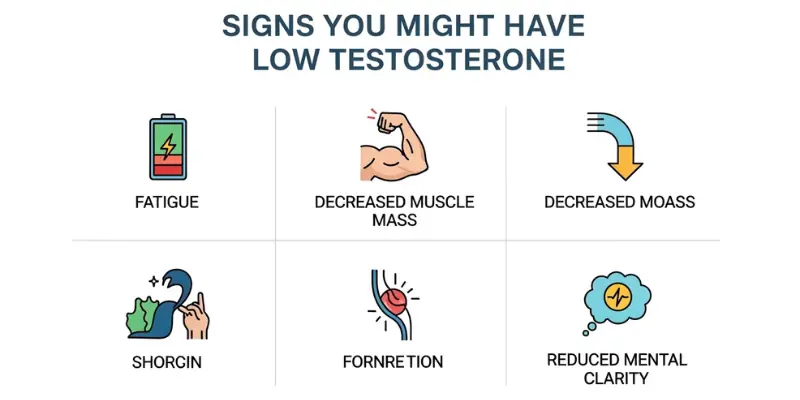
Recognizing early signs of low testosterone helps address issues before they affect long-term health. Common indicators include:
- Persistent fatigue and low energy
- Decreased muscle mass or strength
- Low sex drive or erectile problems
- Mood changes or depression
- Unhealthy weight gain
| Symptom | What To Watch For |
| Low energy | Feeling tired even after adequate rest |
| Muscle loss | Difficulty building or maintaining strength |
| Mood changes | Irritability, anxiety, or depression |
| Libido drop | Reduced interest in sexual activity |
If you notice several of these signs, it may be worth consulting a professional for testosterone testing. Early action with natural lifestyle adjustments can improve hormone health and prevent more serious health issues.
Lifestyle Habits That Boost Testosterone

Adopting the right lifestyle habits that boost testosterone can make a significant difference in hormone levels, energy, and overall health. Simple changes in exercise, sleep, and stress management can naturally improve testosterone production, supporting better muscle mass, mood, and vitality in men.
Exercise And Strength Training Tips
Regular exercise and strength training are among the most effective ways to increase testosterone naturally. Resistance exercises trigger Leydig cells in the testicles to produce more testosterone, improving muscle growth and fat metabolism.
- Focus on compound movements like squats, deadlifts, and bench presses
- Include high-intensity interval training (HIIT) sessions 2–3 times per week
- Avoid excessive cardio that may reduce hormone balance
| Exercise Type | Benefits for Testosterone |
| Weightlifting | Increases testosterone and muscle mass |
| HIIT | Boosts hormone production and fat loss |
| Bodyweight Circuits | Improves metabolism and overall fitness |
Even moderate daily activity like brisk walking or cycling supports healthy testosterone levels by reducing fat and improving circulation.
Importance Of Sleep For Hormone Health
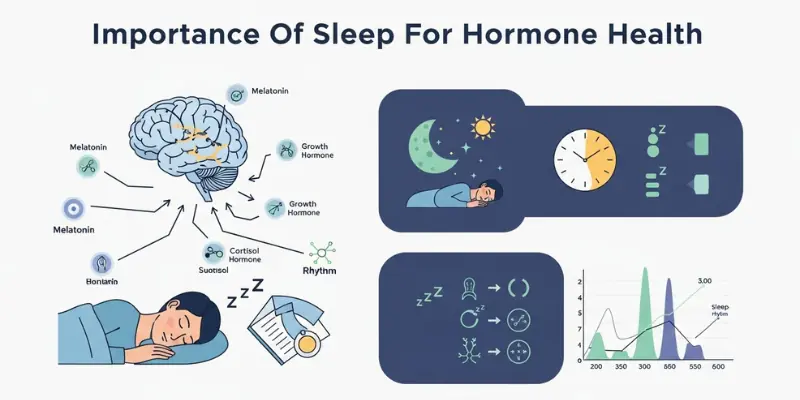
Good quality sleep is essential for testosterone production. Most testosterone synthesis occurs during deep REM sleep, making insufficient rest a major contributor to low testosterone levels.
- Aim for 7–9 hours of uninterrupted sleep per night
- Maintain a consistent bedtime to support circadian rhythm
- Reduce exposure to screens and bright lights before sleep
Lack of proper sleep increases cortisol, the stress hormone, which negatively impacts Leydig cell function and testosterone synthesis. Men who prioritize sleep often notice improved energy, mood, and sexual health.
| Sleep Factor | Impact on Testosterone |
| Sleep Duration | Less than 6 hours reduces testosterone significantly |
| Sleep Quality | Interrupted sleep lowers hormone balance |
| Bedtime Routine | Consistency supports natural hormone cycles |
Reducing Stress To Protect Testosterone
Managing stress is crucial because high cortisol levels can suppress testosterone production and disrupt hormone balance. Chronic stress impacts energy, motivation, and even muscle mass.
- Practice mindfulness, meditation, or deep breathing exercises
- Include light activities like yoga or walking to reduce tension
- Avoid overworking or extreme lifestyle stressors
| Stress Factor | Effect on Testosterone |
| Chronic Work Stress | Lowers testosterone naturally |
| Poor Relaxation | Increases cortisol, reduces muscle growth |
| Mental Fatigue | Impairs hormone regulation and energy |
Combining stress management with regular exercise and proper sleep creates a strong foundation for naturally boosting testosterone levels and improving overall men’s health.
Nutrition To Support Healthy Testosterone
Eating the right nutrition to support healthy testosterone plays a major role in boosting hormone balance. Your diet can influence testosterone levels, energy, and muscle growth. Simple changes, like choosing the right foods and avoiding harmful habits, can make a significant difference in testosterone production naturally.
Foods That Naturally Increase Testosterone
Certain foods that naturally increase testosterone provide essential nutrients to stimulate Leydig cells and maintain hormone balance. Including these in your daily diet can improve muscle mass, libido, and overall vitality.
- Lean proteins like chicken, turkey, and fish support muscle growth
- Healthy fats from avocados, olive oil, and nuts aid hormone synthesis
- Oysters and pumpkin seeds are rich in zinc, crucial for testosterone production
| Food | Key Nutrients | Benefit for Testosterone |
| Oysters | Zinc | Stimulates testosterone synthesis |
| Fatty Fish | Omega-3 | Reduces inflammation and supports hormone balance |
| Eggs | Protein & Vitamin D | Supports muscle growth and testosterone levels |
| Nuts & Seeds | Healthy Fats & Magnesium | Boosts Leydig cell function and overall hormone health |
Including a variety of these foods ensures your body has the building blocks for optimal testosterone levels.
Essential Vitamins And Minerals
Certain vitamins and minerals are critical for healthy testosterone production. Deficiencies can disrupt hormone balance and reduce energy, mood, and sexual health.
- Vitamin D is important for testosterone synthesis and can be obtained from sunlight, fatty fish, and fortified foods
- Magnesium supports muscle function and hormone regulation
- Zinc regulates the enzymes responsible for testosterone production
- Other nutrients, like vitamin B6 and selenium, assist in hormone metabolism
| Nutrient | Food Sources | Testosterone Benefit |
| Vitamin D | Salmon, eggs, fortified milk | Supports Leydig cell function |
| Zinc | Oysters, beef, pumpkin seeds | Stimulates testosterone production |
| Magnesium | Spinach, almonds, dark chocolate | Supports hormone balance and sleep |
| Vitamin B6 | Bananas, chicken, tuna | Assists in hormone regulation |
A balanced intake of these nutrients helps maintain testosterone levels naturally.
Foods And Habits That Can Lower Testosterone
Some foods and lifestyle habits can lower testosterone naturally, reducing energy, muscle mass, and libido. Avoiding or limiting these is important for hormone health.
- Excessive sugar and processed foods can increase cortisol and reduce testosterone production
- Overconsumption of alcohol negatively impacts Leydig cells
- High soy intake in large amounts may slightly reduce testosterone levels
- Chronic calorie restriction or unhealthy diets disrupt hormone balance
| Habit/Food | Impact on Testosterone |
| High Sugar | Raises cortisol, lowers testosterone |
| Excess Alcohol | Reduces Leydig cell function |
| Processed Foods | Interferes with hormone regulation |
| Extreme Dieting | Disrupts testosterone production |
By focusing on nutrient-rich foods and avoiding harmful habits, you can naturally support testosterone levels, improve muscle growth, and maintain hormone balance.
Weight Management And Hormonal Balance
Maintaining proper weight management and hormonal balance is crucial for boosting testosterone levels naturally. Excess body fat can reduce Leydig cell function and disrupt hormone balance, while a healthy weight supports energy, muscle growth, and sexual health. Simple daily habits can help keep testosterone production optimal.
How Body Fat Affects Testosterone
High levels of body fat can significantly impact testosterone levels. Fat tissue contains aromatase, an enzyme that converts testosterone into estrogen, reducing overall hormone availability. Men with higher body fat often experience lower muscle mass, decreased energy, and reduced libido.
- Excess abdominal fat is especially harmful to hormone balance
- Fat gain can increase cortisol, which further suppresses testosterone production
- Maintaining lean muscle supports healthy testosterone levels
| Body Fat Level | Effect on Testosterone |
| <20% | Supports optimal testosterone production |
| 20-25% | Slight decrease in hormone balance |
| >25% | Significant reduction in testosterone levels and energy |
Reducing body fat naturally improves muscle mass, energy, and overall hormone health.
Maintaining a Healthy Weight
Achieving and maintaining a healthy weight is a cornerstone of natural testosterone boosting. It not only supports Leydig cell function but also improves cardiovascular health and metabolic balance.
- Follow a nutrient-rich diet with protein, healthy fats, and fiber
- Combine strength training with moderate cardio for fat loss
- Monitor body composition rather than just scale weight
| Strategy | Benefits for Hormone Health |
| Resistance Training | Builds muscle mass, boosts testosterone |
| Balanced Diet | Reduces fat, supports hormone production |
| Regular Exercise | Improves metabolism and reduces cortisol |
Even small reductions in fat, particularly around the abdomen, can lead to meaningful improvements in testosterone levels.
Daily Habits To Support Hormone Health
Daily habits play a big role in maintaining hormone balance and supporting testosterone production. Consistency in lifestyle practices enhances long-term men’s health.
- Prioritize quality sleep to prevent cortisol spikes
- Manage stress through mindfulness or light exercise
- Stay hydrated and avoid excessive alcohol or processed foods
- Include natural testosterone-boosting nutrients like zinc, magnesium, and vitamin D
| Daily Habit | Hormone Benefit |
| 7–9 Hours Sleep | Supports Leydig cell function and testosterone synthesis |
| Stress Management | Reduces cortisol, protects hormone balance |
| Balanced Nutrition | Provides nutrients for muscle growth and testosterone production |
| Regular Activity | Maintains healthy body composition, improving testosterone levels |
Integrating these daily habits into your routine ensures sustained weight management and hormonal balance, improving energy, libido, and overall health naturally.
Monitoring Testosterone And Supplement Options
Keeping track of monitoring testosterone and supplement options is essential for men aiming to maintain healthy hormone levels. Regular testing helps identify low testosterone, while informed supplement use can safely support testosterone production, improve energy, and support muscle growth naturally.
Blood Tests And Understanding Results
Understanding blood tests and results is key to knowing your testosterone levels. Blood tests measure total testosterone and free testosterone, helping to assess hormone health. In men, normal total testosterone usually ranges from 300–1000 ng/dL, while free testosterone reflects the bioavailable hormone.
- Blood tests can reveal deficiencies impacting Leydig cell function
- Measuring sex hormone-binding globulin (SHBG) helps interpret hormone balance
- Repeat testing ensures accurate monitoring over time
| Test Type | What It Shows | Ideal Range |
| Total Testosterone | Overall hormone levels | 300–1000 ng/dL |
| Free Testosterone | Active, usable testosterone | 5–21 ng/dL |
| SHBG | Protein affecting testosterone availability | 10–57 nmol/L |
Regular testing allows men to identify issues early and make lifestyle or supplement adjustments to support testosterone production.
When To Seek Professional Advice
Consulting a healthcare professional is important when testosterone levels are consistently low or symptoms persist. Signs include fatigue, low libido, reduced muscle mass, or mood changes.
- Persistent symptoms despite lifestyle changes
- Unexplained weight gain or loss
- Erectile dysfunction or sexual health issues
| Symptom | Professional Recommendation |
| Low energy | Consider blood test and lifestyle review |
| Reduced libido | Seek medical assessment for hormone balance |
| Muscle loss | Evaluate diet, exercise, and potential supplements |
Early professional advice helps ensure safe and effective interventions, including personalized natural or medical approaches.
Evidence-Based Supplements And Natural Boosters
Certain evidence-based supplements and natural boosters can support testosterone production when combined with a proper diet and lifestyle. They enhance Leydig cell function and promote hormone balance safely.
- Zinc: Supports testosterone synthesis and enzyme function
- Vitamin D: Enhances hormone production, especially in low-sunlight regions like the UK
- Magnesium: Improves muscle growth and aids sleep quality, supporting hormone health
- Adaptogens like ashwagandha may reduce cortisol, indirectly boosting testosterone
| Supplement | Function | Notes |
| Zinc | Enzyme cofactor for testosterone production | Useful if dietary intake is low |
| Vitamin D | Hormone synthesis and receptor activation | Sunlight or supplements needed in winter |
| Magnesium | Supports muscle function and hormone regulation | Helps sleep and cortisol control |
| Ashwagandha | Reduces stress and supports hormone balance | Evidence-based adaptogen |
Natural boosters should complement, not replace, healthy lifestyle habits, including diet, exercise, sleep, and stress management.
Conclusion
Boosting testosterone naturally involves a combination of lifestyle habits, proper nutrition, weight management, and stress control. Regular exercise, strength training, and quality sleep support hormone balance and improve testosterone production, energy, mood, and muscle growth. Including testosterone-boosting foods and essential vitamins and minerals like zinc, vitamin D, and magnesium enhances overall hormone health.
Monitoring testosterone levels through blood tests helps track progress, while evidence-based supplements can provide additional support. By adopting consistent healthy habits and staying aware of early signs of low testosterone, men can naturally maintain optimal hormone levels and improve long-term physical and mental well-being.
FAQs!
What is testosterone, and why is it important?
Testosterone is a key hormone in men that affects energy, mood, libido, and muscle growth. Maintaining healthy testosterone levels supports overall hormone balance and long-term health.
How can I naturally boost my testosterone production?
You can naturally improve testosterone production through strength training, regular exercise, proper sleep, stress management, and a nutrient-rich diet including foods high in zinc, vitamin D, and magnesium.
What are the signs of low testosterone levels?
Common signs include fatigue, low libido, mood changes, reduced muscle mass, and difficulty maintaining hormone balance. Early detection through blood tests is recommended.
Can diet really affect testosterone?
Yes. Eating protein, healthy fats, and testosterone-boosting foods supports Leydig cell function and helps maintain hormone balance naturally. Avoid excess sugar, alcohol, and processed foods that can lower testosterone levels.
Do supplements help increase testosterone naturally?
Certain evidence-based supplements like zinc, vitamin D, magnesium, and ashwagandha may support testosterone production when combined with healthy lifestyle habits. They are not a replacement for diet, exercise, and sleep.
How often should I check my testosterone levels?
Men experiencing symptoms of low testosterone or starting lifestyle changes should get blood tests at least once a year, or as recommended by a healthcare professional, to track hormone balance.
Does weight affect testosterone?
Yes. High body fat, especially around the abdomen, can reduce testosterone production due to increased aromatase activity, which converts testosterone into estrogen. Maintaining a healthy weight supports hormone balance and muscle growth.
Can stress lower testosterone naturally?
Chronic stress increases cortisol, which can block Leydig cells from producing testosterone, reducing hormone balance, energy, and muscle mass. Stress management techniques help protect testosterone levels.
References:
Exercise, Sleep, Stress & Weight
- Regular exercise — particularly strength training and HIIT — supports testosterone production and overall hormone health. Compound lifts are effective for hormone response. (Arts Health & Wellbeing)
- Quality sleep is linked to higher testosterone levels, with research showing that poor sleep reduces production. Aim for 7–9 hours per night. (MedicineNet)
- Chronic stress raises cortisol, which can suppress testosterone; stress management techniques like meditation help hormonal balance. (Harvard Health)
- Excess body fat, especially abdominal fat, increases aromatase activity that converts testosterone to estrogen, lowering testosterone levels. (Bionutrica)
Nutrition & Foods
- A balanced diet rich in protein, healthy fats, and whole foods supports testosterone levels and hormone balance. (Healthline)
- Specific testosterone‑friendly foods include oysters (zinc), fatty fish (vitamin D & omega‑3s), eggs, and leafy greens, all linked with hormone health. (Health)
Vitamins & Minerals
- Vitamin D supplementation in deficient men has been shown to increase testosterone levels significantly in clinical research. (testosteroneacademy.com)
- Zinc is essential for testosterone production, with controlled trials showing restored levels in deficient men. (testosteroneacademy.com)
- Magnesium supplementation has been linked to increased total and free testosterone, partly by lowering SHBG and improving sleep. (testosteroneacademy.com)
Supplements & Natural Boosters
- Certain adaptogens like ashwagandha can reduce cortisol and have been shown to raise testosterone in overweight men in clinical studies. (testosteroneacademy.com)
- While natural boosters such as zinc, vitamin D, magnesium, and herbs show promise, evidence varies, and professional guidance is recommended before use. (Verywell Health)
General Hormone Advice
- Lifestyle strategies, including exercise, sleep, weight management, and diet, are recommended to maintain healthy testosterone levels and overall wellbeing. (Harvard Health)