




Low testosterone — medically known as hypogonadism — is significantly more common in men than is widely recognised. Estimates suggest that up to 40% of men over 45 have testosterone levels below the normal range, yet the vast majority remain undiagnosed and untreated.
The challenge is that the symptoms of low testosterone are varied, non-specific, and frequently attributed to other causes — stress, ageing, overwork, depression. Many men spend years suffering from avoidable symptoms because the hormonal root cause is never identified.
At Vitalis Luxe Clinic in Hull, we have worked with hundreds of men who had been misdiagnosed or dismissed before receiving a proper hormonal assessment. This guide is designed to help you recognise the symptoms of low testosterone, understand how diagnosis works, and know what your treatment options are in the UK.
What Is Low Testosterone?
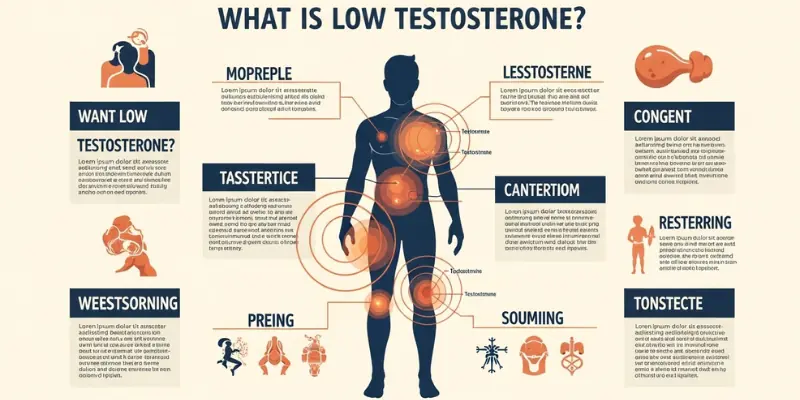
Testosterone is the primary male sex hormone, produced primarily in the testes under stimulation from the hypothalamus and pituitary gland. It plays a foundational role in energy metabolism, muscle and bone maintenance, mood regulation, cognitive function, sexual health, and cardiovascular health.
Low testosterone (hypogonadism) is defined as testosterone levels below the normal clinical threshold, usually combined with symptoms. In the UK, the commonly used threshold for clinical concern is below 12 nmol/L on at least two morning blood tests.
Testosterone levels naturally decline with age at approximately 1-2% per year from the mid-30s onwards. However, low testosterone can also affect young men, and is not simply an inevitable consequence of ageing.
Signs and Symptoms of Low Testosterone in Men

The low testosterone symptoms affect virtually every aspect of a man’s health and well-being. They range from subtle and gradual to acute and severely disruptive. Recognising the pattern is the first step to getting help.
Energy and Physical Symptoms

- Persistent fatigue and exhaustion — not relieved by sleep
- General lack of drive and motivation
- Reduced physical stamina and exercise capacity
- Muscle weakness and difficulty maintaining or building muscle
- Increased body fat — particularly visceral (abdominal) fat
- Loss of body hair — face, body, axillary
- Breast tissue development (gynaecomastia) in some men
- Hot flushes and sweating
Sexual and Reproductive Symptoms
- Reduced libido or loss of sex drive
- Erectile dysfunction or reduced quality of erections
- Reduced frequency of spontaneous (including morning) erections
- Reduced ejaculate volume
- Reduced testicular size (atrophy)
- Infertility or reduced fertility
Psychological and Cognitive Symptoms

- Depression — persistent low mood, anhedonia, emptiness
- Anxiety and increased emotional sensitivity
- Irritability and reduced frustration tolerance
- Brain fog — poor concentration, memory difficulties, mental fatigue
- Reduced confidence and motivation
- Sleep disturbance — insomnia or non-restorative sleep
Metabolic and Long-Term Health Risks
- Increased risk of type 2 diabetes and insulin resistance
- Unfavourable cardiovascular risk profile
- Reduced bone mineral density and increased fracture risk
- Metabolic syndrome — a combination of central obesity, hypertension, dyslipidaemia, and insulin resistance
Many men with low testosterone attribute their symptoms to depression, burnout, or simply getting older. While age and lifestyle do play a role, persistent symptoms across multiple domains should always prompt a hormonal assessment.
What Causes Low Testosterone in Young Males?
Low testosterone is not exclusively a condition of older men. Common causes in younger men include:
- Hypogonadotrophic hypogonadism — pituitary or hypothalamic dysfunction reducing LH/FSH output
- Klinefelter syndrome (47XXY) — a chromosomal condition causing primary testicular failure
- Obesity — excess body fat promotes testosterone-to-oestrogen conversion
- Chronic illness — type 2 diabetes, chronic kidney disease, liver disease, HIV
- Opioid use — long-term opioid therapy suppresses the HPG axis
- Sleep deprivation — chronic poor sleep significantly reduces testosterone production
- Chronic psychological stress — elevated cortisol suppresses testosterone
- Anabolic steroid use or withdrawal — prior steroid use can cause prolonged suppression
- Pituitary tumours (prolactinoma) — elevated prolactin suppresses LH/FSH
How Is Low Testosterone Diagnosed in the UK?
Diagnosis requires both symptomatic presentation and confirmed blood results. The diagnostic process typically involves:
Step 1: Clinical Assessment
A thorough review of symptoms, their duration, severity, and impact on quality of life. Your medical history, lifestyle factors, current medications, and any relevant family history are also reviewed.
Step 2: Blood Testing (Morning Sample)
Total testosterone should be measured in a morning blood sample (before 10 am) when levels are at their daily peak. A single low result should always be confirmed with a second test. Key blood markers include testosterone (total and free), SHBG, LH, FSH, FBC, PSA, oestradiol, prolactin, and metabolic markers.
Step 3: Identifying the Cause
LH and FSH results help identify whether hypogonadism is primary (testicular failure) or secondary (central, pituitary/hypothalamic). This distinction has implications for treatment choice — particularly for fertility preservation.
Step 4: Addressing Reversible Contributing Factors
Before prescribing Testosterone Replacement therapy, a responsible clinician will identify and address any reversible contributors — obesity, sleep apnoea, medication effects, or lifestyle factors. Optimising these may improve testosterone levels naturally.
What Happens After Diagnosis?
Once hypogonadism is confirmed and reversible causes excluded, treatment options are discussed:
- TRT — the most effective and direct approach to correcting the deficiency
- Lifestyle optimisation — weight loss, sleep improvement, stress reduction, dietary changes
- SERMs or HCG — for men who wish to maintain fertility while treating symptoms
Think You Might Have Low Testosterone? Get Assessed at Vitalis Luxe Clinic
You do not have to continue suffering from entirely treatable symptoms. At Vitalis Luxe Clinic in Cottingham, Hull, our specialist team offers comprehensive hormone blood testing and clinical assessment to determine whether low testosterone is affecting your health — and what to do about it.
Frequently Asked Questions
What are the signs of low testosterone in men?
The most common signs include persistent fatigue, reduced libido, erectile dysfunction, low mood or depression, reduced muscle mass, increased body fat, brain fog, poor sleep, and reduced body hair. Multiple symptoms across different systems are more suggestive of hormonal deficiency than any single symptom alone.
Can a man smell testosterone on another man?
There is some research suggesting that subtle olfactory signals related to testosterone may influence social and romantic interactions at a subconscious level. However, TRT does not produce a detectably different body odour in any clinically meaningful way.
How is low testosterone diagnosed in the UK?
Diagnosis requires two morning blood tests showing testosterone below the clinical threshold (usually 12 nmol/L), combined with symptoms of hypogonadism. A comprehensive panel including LH, FSH, SHBG, FBC, PSA, and oestradiol is needed for full assessment.
What causes low testosterone in young men?
Common causes include pituitary or hypothalamic dysfunction, obesity, chronic illness, opioid use, chronic stress, sleep deprivation, prior anabolic steroid use, or chromosomal conditions such as Klinefelter syndrome.
At what age does testosterone start to decline?
Testosterone levels naturally begin to decline at approximately 1-2% per year from the mid-30s onwards. However, significant symptomatic hypogonadism is increasingly being recognised in men in their 20s and 30s.