





Of all the symptoms that bring men to Vitalis Luxe Clinic in Hull, the loss of sexual desire — libido — is among the most personally distressing. It affects relationships, self-perception, and quality of life in ways that go far beyond the physical. And yet it is frequently dismissed, attributed to stress or ageing, and left without adequate clinical investigation.
The relationship between testosterone and libido is the most direct and well-established link in the testosterone-health landscape. Testosterone is the primary hormonal driver of sexual desire in men — it acts centrally on the brain to create and sustain the motivation for sexual thought, fantasy, and activity. When it falls, this drive progressively diminishes. When it is restored through the Testosterone test, it is typically among the first and most reliably improved outcomes.
In this article, we explain exactly how testosterone drives libido at a neurobiological level, describe the experience of testosterone-deficiency-related loss of desire in clinical terms, distinguish it from other causes of reduced libido, and provide a clear picture of what TRT does — and how quickly — for men who receive it with confirmed deficiency.
Table of Contents
How Testosterone Drives Sexual Desire: The Neurobiology

Libido is not a simple reflex — it is a complex motivational state generated by the brain, dependent on neurochemical systems that are directly regulated by testosterone. Understanding these pathways explains why low testosterone does not merely reduce interest in sex — it can effectively extinguish it entirely in some men.
The Dopaminergic Reward System
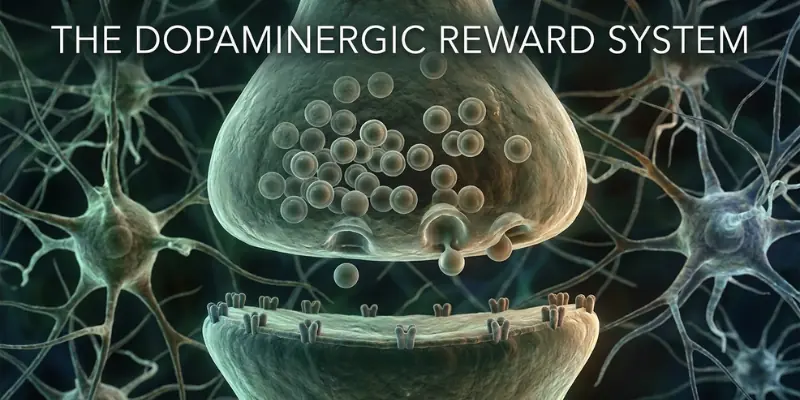
The mesolimbic dopaminergic pathway — often described as the brain’s reward circuit — is the neurological foundation of motivated behaviour, including sexual desire. Dopamine drives the wanting of rewarding experiences — the anticipation, the craving, the motivational pull toward sexually relevant stimuli. Testosterone directly enhances dopamine synthesis, release, and receptor sensitivity within this system.
When testosterone falls, dopaminergic tone in the limbic system is reduced. Sexual stimuli that previously generated spontaneous desire — visual cues, physical proximity, romantic context — lose their motivational valence. Men describe this not as consciously deciding not to want sex, but as finding that the wanting simply is not there. They may understand intellectually that sex should be desirable. The neurochemical drive to pursue it is absent.
The Hypothalamic Drive Centre

The hypothalamus — particularly the medial preoptic area (mPOA) — is the primary brain region for sexual motivation and behaviour in men. It is densely packed with androgen receptors and is exquisitely sensitive to testosterone levels. Testosterone acting on the mPOA generates the central arousal state that initiates and sustains sexual interest. Studies in which testosterone is removed from animal models produce complete abolition of sexual motivation that is fully restored by testosterone replacement therapy, and the clinical parallel in men with severe deficiency is striking.
Serotonin Modulation
Serotonin — the primary target of SSRI antidepressants — has complex effects on sexual function. High serotonergic tone is inhibitory to sexual motivation and arousal; this is the mechanism behind the well-documented sexual dysfunction caused by SSRIs. Testosterone modulates serotonergic activity in a way that maintains the balance between the dopaminergic drive and serotonergic inhibition. Low testosterone tilts this balance toward inhibition — another neurochemical mechanism by which testosterone deficiency suppresses libido, and another reason why treating the testosterone deficiency is the correct primary intervention for hormonally driven low libido, not adding a serotonin-modulating drug.
What Low Libido from Testosterone Deficiency Actually Feels Like

The loss of libido from testosterone deficiency has a distinctive quality that experienced clinicians can recognise in a clinical history — and that men themselves often describe in strikingly consistent terms. Understanding this phenomenology helps distinguish hormonal loss of desire from psychological or relationship-based causes.
Feature | How Men Describe It | Clinical Significance |
|---|---|---|
Reduced or absent spontaneous desire | ‘I just don’t think about it anymore’; ‘I used to think about sex regularly — now it never crosses my mind’ | Spontaneous sexual thoughts are testosterone-dependent; their absence is highly characteristic of hormonal deficiency |
Loss of response to cues that previously worked | ‘My wife/partner is attractive but I feel nothing’; ‘I watch something that would have interested me before and feel nothing’ | Blunted response to sexual stimuli indicates reduced dopaminergic sensitivity in the reward system |
Sex feels like effort rather than pleasure | ‘I can do it but I’m not bothered’; ‘It’s like a duty rather than something I want’ | Dissociation between cognitive understanding of sexuality and motivational drive — characteristic of dopaminergic insufficiency |
Progressive onset over months/years | ‘It’s been so gradual I didn’t notice at first’; ‘Looking back, it’s been declining for years’ | Gradual onset matches the typical trajectory of testosterone decline — unlike sudden changes suggesting psychological triggers |
Accompanied by other deficiency symptoms | Fatigue, mood changes, reduced morning erections, body composition changes present alongside libido loss | Co-occurrence of multiple deficiency symptoms strongly implicates hormonal cause rather than isolated psychological factor |
Persists regardless of circumstances | ‘Even on holiday, rested, no stress — still nothing’ | Persistence across favourable circumstances (holiday, no stress, good relationship) points away from situational/psychological cause |
Distinguishing Hormonal Low Libido from Other Causes

Not all low libido is hormonal, and treating a psychological or relationship-based loss of desire with TRT will not produce the desired result. Before attributing low libido to testosterone deficiency, the following alternative or co-existing causes should be considered:
Cause | Key Distinguishing Features | Primary Intervention |
|---|---|---|
Testosterone deficiency | Gradual onset; loss of spontaneous desire; multiple co-occurring deficiency symptoms; morning erection changes; responds to TRT | TRT assessment and treatment |
Depression (primary) | Relationship therapy, couples counselling, open communication | Psychological support; antidepressants (with testosterone assessment first in men) |
SSRI / antidepressant effect | Onset after starting antidepressant; often reported as ’emotional blunting’; libido was normal before medication | Medication review with prescribing clinician; consider switching agent or adding treatment |
Relationship dissatisfaction | Stress management, lifestyle, and possibly short-term psychological support | Stress management, lifestyle, and possibly short-term psychological support |
Pornography-related changes | Difficulty with real-partner arousal but responsive to pornography; often in younger men; not hormonal | Psychosexual therapy; behavioural change |
Chronic stress and burnout | Paradoxical — elevated oestradiol on TRT can suppress libido via the HPG axis; check if already on treatment | Onset during or following a period of high occupational/life stress; desire returns in low-stress periods |
Elevated prolactin (hyperprolactinaemia) | Elevated prolactin directly suppresses testosterone and libido; associated with visual disturbance, galactorrhoea | Prolactin blood test; MRI pituitary if elevated; endocrinology referral |
Thyroid dysfunction | May accompany hormonal causes; cognitive symptoms, hopelessness; loss of interest across all activities not just sexual | Thyroid function tests; treatment of thyroid disorder |
Oestradiol elevation (on TRT) | Hypothyroidism produces fatigue and libido reduction; it may also suppress testosterone indirectly | Oestradiol blood test; aromatase inhibitor if indicated |
At Vitalis Luxe Clinic, the pre-assessment blood panel includes testosterone (total and free), SHBG, LH, FSH, oestradiol, and prolactin as standard — ensuring that the hormonal picture is complete rather than limited to total testosterone alone. Thyroid function is added where clinically indicated.
What TRT Does for Libido: The Evidence and the Timeline

The Evidence
Libido is the most consistently improved outcome of TRT across all clinical trials in men with confirmed testosterone deficiency. Every major systematic review and meta-analysis of TRT finds significant improvement in sexual desire compared to placebo, and the effect size is among the largest documented in the TRT literature for any outcome.
The mechanism is direct: restoring testosterone to the physiological range restores the dopaminergic and hypothalamic drive that testosterone deficiency had suppressed. Unlike the body composition or bone density improvements that require months to accumulate, libido improvements begin as soon as testosterone levels begin to rise — because the neurochemical effect is relatively rapid once therapeutic levels are achieved.
The Timeline
Libido Parameter | Typical Onset of Improvement | Time to Full Restoration | Notes |
|---|---|---|---|
Return of spontaneous sexual thoughts | 2–4 weeks | 4–8 weeks | Often the first noticed improvement; reliable early indicator of therapeutic response |
Return of interest in partnered sex | 2–6 weeks | 6–12 weeks | Tends to follow spontaneous desire; may lag slightly as performance confidence rebuilds |
Morning erections returning | 3–6 weeks | 6–12 weeks | Closely linked to libido restoration; testosterone-dependent nocturnal tumescence |
Full libido restoration to pre-deficiency level | 4–12 weeks | 3–6 months | Full recovery of desire quality (not just frequency) typically reaches previous baseline by 3–6 months |
Sustained, stable high-quality libido | 3–6 months | 6–12 months | Once testosterone is stable and other parameters balanced, libido typically remains consistently improved |
When Libido Does Not Fully Recover on TRT
A minority of men on TRT find that libido improves but does not fully return to what they remember from their prime. Several factors may explain this:
- Oestradiol elevation — paradoxically, elevated oestradiol on TRT can suppress libido despite adequate testosterone; oestradiol should be checked if libido improvement is incomplete
- Testosterone not at therapeutic level — if total or free testosterone is not in the optimal range, libido may not fully recover; blood test review and dose adjustment are warranted
- Psychological overlay — performance anxiety, relationship issues, or habituated avoidance of sexual situations may persist after hormonal restoration and require psychological support to resolve
- Co-existing depression — if depression is also present, hormonal restoration alone may not fully restore motivation and desire without psychological support
- Prolactin elevation — if prolactin was not checked pre-treatment and is elevated, it will continue to suppress desire despite testosterone restoration
- Duration of deficiency — men who have had severe, prolonged deficiency may require more time for full neurological recovery; sustained TRT at 12+ months often produces continued improvement
Libido, Relationships, and Honest Communication
The loss of sexual desire associated with testosterone deficiency has consequences that extend beyond the individual man. Partners — often without understanding the physiological cause — may interpret reduced desire as personal rejection, loss of attraction, or relationship failure. These misinterpretations cause real harm to relationships and add psychological pressure that may further compound the hormonal problem.
One of the most valuable things we do at Vitalis Luxe Clinic is give men the language and the clinical context to have this conversation with their partners. ‘I have low testosterone — it is causing my reduced desire — it is biological, not personal, and it is being treated’ is a fundamentally different conversation from the silence or evasion that typically surrounds this topic in relationships.
Equally, the recovery of libido on TRT often has relational implications that require adjustment — a partner who has adapted to an asexual relationship dynamic over months or years may need time to readjust to a renewed partner interest. This is a positive problem, but it is a real one, and it is worth anticipating.
Frequently Asked Questions
Does low testosterone cause low libido?
Yes — testosterone is the primary hormonal driver of sexual desire in men. It acts centrally on the hypothalamus and limbic dopaminergic system to generate and sustain sexual motivation. When testosterone falls, this drive progressively diminishes — often first noticed as a reduction in spontaneous sexual thoughts, then as reduced response to sexual stimuli, then as a generalised absence of interest in sexual activity. Restoring testosterone with TRT consistently and reliably improves libido in men with confirmed deficiency.
Will TRT restore my sex drive?
For men with confirmed testosterone deficiency, TRT is the most reliably effective intervention for improving libido. Clinical trials consistently find significant improvements in sexual desire on TRT compared to placebo, with effect sizes among the largest documented in the TRT literature. Most men notice libido improvement within 2–4 weeks of starting treatment, with full restoration over 3–6 months. TRT does not improve libido in men with normal testosterone — the benefit is specific to those with a genuine deficiency.
How quickly does TRT improve libido?
Libido is typically the earliest and most noticeable response to TRT. Many men notice a return of spontaneous sexual thoughts within 2–4 weeks — often before other symptoms improve significantly. Return of interest in partnered sex and morning erections typically follows within 4–8 weeks. Full restoration of libido quality and consistency usually takes 3–6 months of sustained TRT at therapeutic levels.
Is my low libido hormonal or psychological?
Key distinguishing features of hormonal low libido: gradual onset over months or years; absence of spontaneous sexual thoughts; reduced response even to stimuli that previously reliably worked; persists regardless of circumstances (no stress, holiday, good relationship); accompanied by other testosterone deficiency symptoms (fatigue, mood changes, reduced morning erections). Psychological low libido tends to be more selective (present in some contexts but not others) and onset relates to specific psychological triggers. Many men have both components. A blood test is the correct starting point for any man with a significant or persistent low libido.
Can stress cause low libido even with normal testosterone?
Yes — elevated cortisol from chronic stress directly suppresses testosterone production and impairs sexual motivation independently of hormonal levels. Stress also disrupts sleep, which further reduces testosterone. In men under significant acute or chronic stress, libido can be substantially reduced even when testosterone is nominally adequate. However, testosterone deficiency should be excluded first by testing, as the two causes require different interventions and frequently coexist.
Why did my libido return but then plateau on TRT?
Several possibilities: testosterone levels may not be consistently in the optimal range throughout the dosing interval (a twice-weekly injection schedule produces more stable levels than weekly in some men); oestradiol may be elevated, limiting the full libido benefit of restored testosterone; psychological factors or relationship dynamics may be maintaining avoidance patterns that persist even after hormonal restoration; or the dose may benefit from optimisation. A blood test review and clinical assessment will identify the cause in most cases.
Does libido only depend on testosterone?
Testosterone is the primary hormonal driver of libido in men, but it is not the only factor. Relationship quality and psychological well-being contribute substantially. Oestradiol balance matters — both too low and too high oestradiol on TRT can impair desire. Prolactin elevation independently suppresses libido. Physical health, sleep quality, and stress levels all modulate sexual motivation. TRT addresses the hormonal component — the most fundamental driver — but a complete approach to restoring libido may involve addressing these other dimensions as well.
Where can I discuss low libido and testosterone in Hull or Yorkshire?
Vitalis Luxe Clinic in Hull provides confidential, comprehensive assessments for men with reduced libido and suspected testosterone deficiency across Hull, East Yorkshire, and throughout Yorkshire. We conduct a full hormonal assessment — total and free testosterone, SHBG, LH, FSH, oestradiol, prolactin, and thyroid where indicated — to give a complete clinical picture. In-person or online with home testing — no GP referral required.