




Body composition — the ratio of lean muscle to fat mass — is one of the most tangible and motivating outcomes men associate with testosterone therapy and Muscle growth. The connection between testosterone and muscle is real, well-established, and clinically significant. But it is also surrounded by unrealistic expectations, confusion with anabolic steroid use, and a misunderstanding of what TRT does versus what it does not do for body composition.
At our TRT Clinic , we have clear, evidence-based conversations about body composition with every TRT patient. This article explains the mechanisms by which testosterone affects muscle mass and fat distribution, what clinical trials show about TRT body composition outcomes, and what realistic expectations look like for men receiving physiological testosterone replacement.
Table of Contents
How Testosterone Builds Muscle: The Mechanisms

Protein Synthesis Stimulation

Testosterone is the primary anabolic hormone in men — it promotes muscle protein synthesis by binding to androgen receptors in muscle cells (satellite cells and myofibrils) and upregulating the genetic machinery responsible for producing contractile proteins. Higher testosterone levels mean a faster rate of muscle protein synthesis from available amino acids — the fundamental cellular basis of muscle growth.
Satellite Cell Activation

Satellite cells are the muscle stem cells responsible for muscle repair and growth. Testosterone activates and proliferates satellite cells, increasing the pool of cells available for muscle repair after exercise-induced damage. This is why resistance training and TRT are synergistic — training provides the stimulus; testosterone provides the cellular machinery to respond to it optimally.
IGF-1 Upregulation

Testosterone stimulates hepatic and local muscle production of insulin-like growth factor 1 (IGF-1), which independently promotes muscle protein synthesis and satellite cell activation. The testosterone-IGF-1 axis amplifies the muscle-building effect beyond what testosterone alone achieves directly.
Androgen Receptor Density
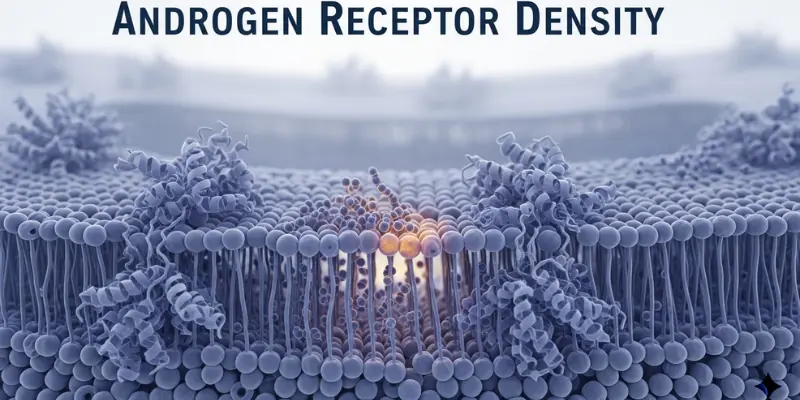
Testosterone increases the number of androgen receptors in muscle tissue over time — meaning the same testosterone level becomes progressively more effective at promoting muscle growth as receptor density increases with sustained exposure. This is one reason consistent long-term TRT tends to produce continuing body composition improvement beyond the initial months.
Visceral Fat Reduction
Testosterone directly reduces visceral adipose tissue — the metabolically active fat around the abdominal organs — through both direct lipolytic (fat-releasing) effects on adipocytes and indirect effects via improved insulin sensitivity, reducing lipogenesis (fat storage). Reduced visceral fat in turn reduces aromatase exposure, creating a positive feedback loop: less fat → less testosterone-to-oestradiol conversion → more active testosterone → less fat.
| Outcome Measure | TRT Effect (Hypogonadal Men) | Timeline | Clinical Significance |
|---|---|---|---|
| Lean mass (muscle) | Increase of 1.5–3 kg over 12 months in confirmed hypogonadal men — consistent across multiple RCTs | 3–6 months onset; continues over 12–24 months | Functional benefit, particularly for older men; complements lean mass gain |
| Fat mass | Reduction of 1–3 kg over 12 months — predominantly visceral fat | 3–6 months onset; continues with sustained TRT | Reduces central obesity — direct metabolic benefit beyond aesthetics |
| Total body composition change | Net body recomposition: lean up, fat down simultaneously | Progressive over 12 months+ | Significant quality-of-life impact; improved muscle-to-fat ratio changes functional capacity |
| Muscle strength | Modest improvement in grip strength and lower extremity strength — TTrials physical function trial | 3–6 months | Confirms mechanism: restoring deficient testosterone produces a proportional benefit |
| Visceral fat specifically | Significant reductions documented — TIMES2 and metabolic syndrome trials | 6–12 months | Metabolic risk reduction: lower T2DM risk, better insulin sensitivity, reduced cardiovascular risk profile |
| Response in severely deficient men | Greater body composition response than in borderline-deficient men — dose-response relationship | Progressive | Confirms mechanism: restoring deficient testosterone produces proportional benefit |
What Clinical Trials Show: TRT Body Composition Outcomes
TRT vs Anabolic Steroids: A Critical Distinction

The most important distinction to make clearly: Testosterone Replacement Therapy is not anabolic steroid use. This distinction matters clinically, legally, ethically, and for realistic expectation-setting.
- TRT aims to restore testosterone to the normal physiological range — typically 15–30 nmol/L for total testosterone. Anabolic steroid use drives testosterone to 5–20 times the normal physiological range
- At physiological replacement doses, TRT produces the body composition benefits described above — meaningful but not dramatic. At supraphysiological anabolic steroid doses, muscle gains are far larger but carry severe health consequences: left ventricular hypertrophy, hypertension, polycythaemia, severe dyslipidaemia, direct myocardial toxicity, and psychological effects
- TRT does not produce the rapid, dramatic muscle gains that men see in anabolic steroid users. A man starting TRT should not expect to gain 10 kg of muscle in 3 months — that outcome requires supraphysiological doses and is not a goal of clinical TRT
- The body composition benefits of TRT are achieved within the physiological range — the same range that nature intended — and represent restoration of the anabolic environment that testosterone deficiency had suppressed, not pharmacological enhancement beyond normal
| Realistic Expectation Setting A well-monitored man with confirmed testosterone deficiency who starts TRT, trains consistently with resistance exercise, and manages his nutrition appropriately can realistically expect: 1.5–3 kg of additional lean mass over the first 12 months compared to his pre-TRT trajectory; 1–3 kg of fat reduction, predominantly visceral; noticeable improvements in training recovery, strength progression, and body composition that he was unable to achieve despite consistent effort before TRT. He will not look like he has taken anabolic steroids — he will look like a healthier, more muscular, leaner version of himself. |
The Role of Resistance Training and Nutrition
TRT does not build muscle independently of training and nutrition — it restores the hormonal environment in which training and nutrition work as they should. Men who start TRT without training and nutrition attention see more modest body composition benefits than those who combine all three. The synergy is clinically important:
- Resistance training provides the anabolic stimulus — mechanical muscle damage that testosterone responds to by upregulating protein synthesis and satellite cell activation
- Progressive overload (gradually increasing training load) is required to maintain the stimulus as the body adapts
- Adequate protein intake (1.6–2.2g per kg bodyweight daily) provides the amino acid substrate that testosterone-driven protein synthesis needs — without adequate protein, the anabolic signal has nothing to build with
- Caloric adequacy — severe caloric deficit suppresses anabolism; modest deficit achieves simultaneous fat loss and muscle maintenance on TRT in a way not achievable without adequate testosterone
Frequently Asked Questions
Does TRT build muscle?
Yes — TRT in confirmed testosterone-deficient men consistently produces clinically meaningful lean mass gains of 1.5–3 kg over 12 months in clinical trials, alongside visceral fat reduction of 1–3 kg. These gains are achieved within the physiological testosterone range and represent restoration of the normal anabolic environment rather than pharmacological enhancement. They are meaningful for quality of life, metabolic health, and functional capacity — but should not be confused with the dramatic gains seen with supraphysiological anabolic steroid doses.
Will TRT help me gain muscle at the gym?
TRT restores the hormonal environment in which resistance training produces its best results. Men with testosterone deficiency who train consistently often plateau or struggle to make progress despite adequate effort — TRT removes this hormonal ceiling. On TRT, training recovery improves, protein synthesis responds better to the exercise stimulus, and progressive strength gains become achievable at a rate consistent with normal male physiology. TRT and resistance training are synergistic — each makes the other more effective.
How long does it take to see body composition changes on TRT?
Body composition changes from TRT are gradual and progressive. Early changes — often noticed as improved energy for training and better recovery — begin within 4–8 weeks. Visible lean mass gain and fat reduction typically become apparent at 3–6 months and continue progressing over 12–24 months of sustained TRT with consistent training. Full body composition remodelling from TRT takes 18–24 months to reach its plateau in most men.
Is TRT the same as taking steroids?
No — TRT and anabolic steroid use are fundamentally different. TRT aims to restore testosterone to the normal physiological range in men with confirmed deficiency. Anabolic steroids are used at doses 5–20 times higher than the physiological range to achieve supraphysiological muscle gains. The body composition benefits differ enormously — as do the health risks. Supraphysiological steroid doses carry severe cardiovascular, haematological, and psychological risks. Physiological TRT, appropriately monitored, does not.
Do I need to exercise to get body composition benefits from TRT?
Resistance training substantially amplifies TRT body composition benefits. Men who train consistently on TRT achieve significantly greater lean mass gains and fat loss than men who are sedentary. TRT alone — without training — produces some body composition improvement through direct fat-reducing and protein synthesis-supporting mechanisms, but the combination is synergistic. Starting regular resistance training at TRT initiation optimises body composition outcomes from the outset.
Will TRT reduce belly fat?
Yes — visceral fat (abdominal fat around the organs) is specifically reduced by TRT through both direct adipolytic effects and improved insulin sensitivity. Multiple trials, including the TIMES2 document significant visceral fat reduction in hypogonadal men on TRT. The reduction in visceral fat also reduces aromatase exposure, improves the testosterone-to-oestradiol ratio, and creates a positive feedback loop supporting further fat reduction and hormonal optimisation.
Where can I get TRT for body composition improvement in Hull or Yorkshire?
Vitalis Luxe Clinic in Hull provides TRT assessment and treatment for men with confirmed testosterone deficiency across Hull, East Yorkshire, and throughout Yorkshire. We discuss body composition goals as part of every TRT consultation and provide guidance on resistance training and nutrition to optimise outcomes alongside TRT. Book your confidential consultation today.