




What Every Man Should Know Before Taking It
Finasteride is one of the most commonly prescribed medications for hair loss and an enlarged prostate. But many men worry — Does Finasteride Lower Testosterone? Could it change how you feel, your energy levels, or your sex drive? The short answer is that finasteride does not significantly lower overall testosterone-test levels in the body. Instead, it works by blocking the conversion of testosterone into dihydrotestosterone (DHT), the hormone mainly responsible for hair loss and prostate enlargement. While some users may notice changes in how they feel, most clinical studies show that total testosterone remains stable or may even slightly increase. Let’s cut through the confusion with clear, honest answers.
Finasteride does not lower testosterone. In fact, it can cause testosterone levels to rise slightly. However, it blocks testosterone from converting into a more powerful hormone called DHT — and that is where the real hormonal story begins.
Table of Contents
What Is Finasteride?

Finasteride is a prescription medication that comes in two doses:
- 1mg (Propecia) — prescribed for male pattern hair loss
- 5mg (Proscar) — prescribed for benign prostatic hyperplasia (enlarged prostate)
It works by blocking an enzyme called 5-alpha reductase, which is responsible for converting testosterone into dihydrotestosterone (DHT).
Testosterone vs DHT — What Is the Difference?
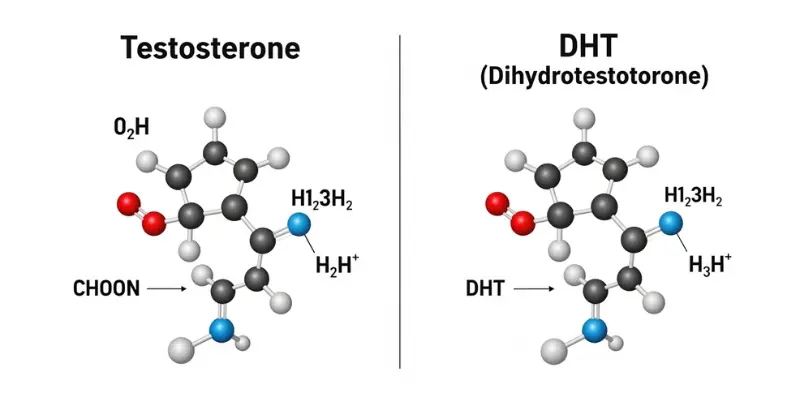
This is the key to understanding finasteride.
| Hormone | What It Does | Potency |
|---|---|---|
| Testosterone | Builds muscle, energy, mood, libido | Standard |
| DHT (Dihydrotestosterone) | More potent form of testosterone — affects hair follicles, prostate, skin | 3–5x stronger than testosterone |
DHT is not a bad hormone — your body needs it. But in men genetically prone to hair loss, DHT shrinks hair follicles over time. Finasteride reduces DHT levels by up to 70%, which slows or stops this process.
So What Happens to Testosterone on Finasteride?

When finasteride blocks the conversion of testosterone to DHT, testosterone has nowhere to go — so it accumulates. Studies show:
- Total testosterone levels often increase slightly on finasteride
- Free testosterone may also rise modestly
- DHT levels drop significantly — by 60–70%
So technically, finasteride raises testosterone, not lowers it. But the picture is more complicated than that.
Why Do Some Men Feel Worse on Finasteride?
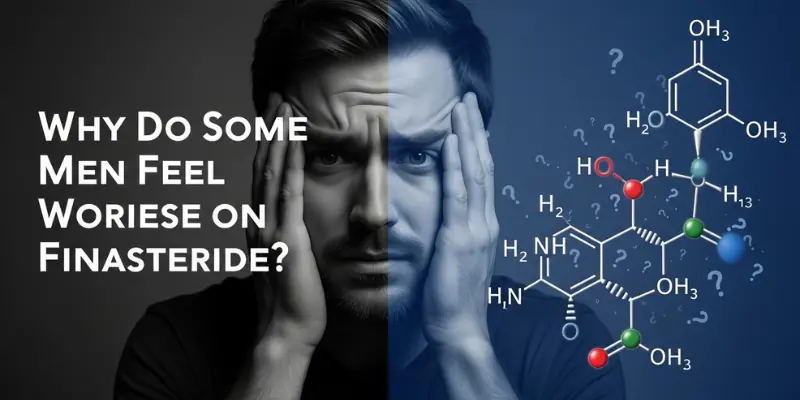
This is where it gets important. Even though testosterone levels go up, some men report:
- Low libido
- Erectile dysfunction
- Fatigue and low energy
- Brain fog or difficulty concentrating
- Low mood or depression
- Reduced muscle mass or motivation
How can testosterone be higher, yet men feel worse? The answer lies in DHT itself. DHT plays important roles in:
- Sexual function and libido
- Mood regulation
- Brain health and mental sharpness
- Prostate and urinary health
When DHT drops significantly, some men feel the effects — even if their testosterone number looks fine on paper.
What Is Post-Finasteride Syndrome?
Post-Finasteride Syndrome (PFS) is a condition reported by a small number of men who experience persistent side effects even after stopping finasteride. Symptoms can include:
- Long-term sexual dysfunction
- Chronic fatigue
- Depression and anxiety
- Cognitive difficulties
| Fact | Detail |
|---|---|
| How common is it? | Rare — affects a small percentage of users |
| Is it recognised medically? | Yes — it is listed on finasteride’s official prescribing information |
| Does it happen to everyone? | No — most men tolerate finasteride well |
| What should you do if concerned? | Speak to a doctor before starting or stopping |
The medical community continues to study PFS. If you experience side effects, always speak to your prescribing doctor rather than stopping abruptly.
Who Is Most at Risk of Side Effects?
Not every man will experience problems on finasteride. Risk may be higher if you:
- Already have low testosterone or hormonal imbalances before starting
- Have a history of depression or anxiety
- Are sensitive to hormonal changes
- Take higher doses (5mg vs 1mg)
- Have underlying thyroid or metabolic issues
This is why a full hormonal assessment before starting finasteride is strongly recommended.
Finasteride and Fertility
DHT also plays a role in male fertility. Finasteride can affect:
| Area | Effect |
|---|---|
| Sperm count | May be reduced in some men |
| Sperm motility | Can be impaired |
| Semen volume | May decrease |
| Fertility overall | Generally reversible after stopping |
If you are trying to conceive, discuss this with your doctor before starting finasteride.
Alternatives to Finasteride for Hair Loss
If you are concerned about hormonal side effects, there are alternatives worth discussing with a specialist:
- Minoxidil (topical) — no hormonal effects, applied directly to the scalp
- Low-level laser therapy — stimulates hair follicles without affecting hormones
- Platelet-rich plasma (PRP) — uses your own growth factors to strengthen follicles
- Nutritional optimisation — addressing deficiencies in zinc, iron, vitamin D, and biotin
- Hormonal balancing — if hair loss is linked to low testosterone or thyroid issues
What Actually Happens to Your Hormones — A Simple Summary
| What Finasteride Does | What It Does NOT Do |
|---|---|
| Blocks DHT production (by up to 70%) | Does not lower testosterone |
| Slightly raises total testosterone | Does not cause testosterone deficiency |
| Reduces prostate size | Does not stop testosterone working in muscles |
| Slows hair follicle miniaturisation | Does not affect cortisol or thyroid hormones |
When to See a Doctor
You should speak to a doctor before starting finasteride if you have:
- Existing low testosterone symptoms (fatigue, low libido, poor sleep, weight gain)
- A history of depression or mood disorders
- Fertility plans in the near future
- Concerns about sexual function
- Any other hormonal conditions
At Vitais Luxe Clinic in Hull, we assess your full hormonal picture before recommending any treatment. This means you make an informed decision — not a guess.
- Comprehensive hormone blood panels including testosterone, DHT, and free testosterone
- Full sexual health and fertility assessments
- Hair loss treatment plans that consider your hormonal health
- Personalised care from Dr. Naveed Sheikh
Conclusion
Finasteride does not lower testosterone — it actually raises it slightly. What it does is significantly reduce DHT, a powerful hormone that plays a key role in hair loss, sexual function, mood, and brain health. Most men tolerate finasteride well, but a minority experience side effects that can be linked to reduced DHT activity. Before starting finasteride, a proper hormonal assessment is the smartest step you can take.