





Feeling constantly tired, struggling to build muscle no matter how hard you train, or noticing a dip in your mood and sex drive? These could all be low testosterone symptoms in men — and you’re far from alone. Testosterone deficiency is more common than most people realize, yet it often goes undiagnosed for years because its signs are easy to write off as “just getting older.”
In this guide, we’ll break down everything you need to know about low testosterone in men — what it is, how to recognize it, what it does to your body, and what you can do about it.
Table of Contents
What Is Low Testosterone?
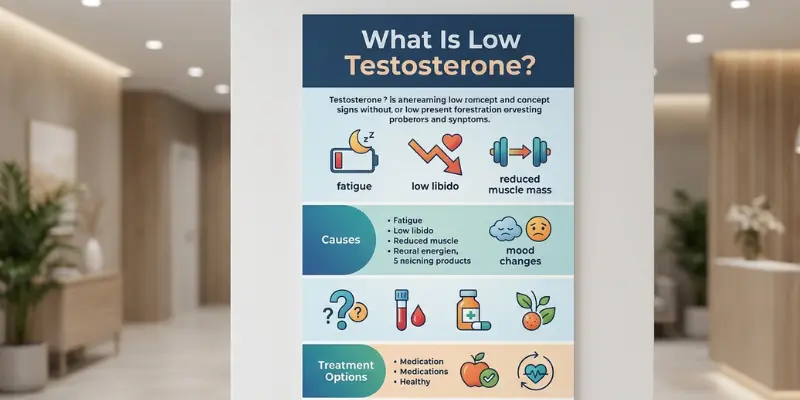
Testosterone is the primary male sex hormone responsible for regulating a wide range of bodily functions — from muscle mass and bone density to mood, libido, and red blood cell production. So what is low testosterone, exactly?
Medically, it’s referred to as hypogonadism or testosterone deficiency. It occurs when the testes produce insufficient amounts of testosterone. According to most clinical guidelines, a total testosterone level below 300 ng/dL is generally considered low, though symptoms matter just as much as numbers.
Low level of testosterone in men can stem from a variety of causes, including:
• Primary hypogonadism – a problem with the testes themselves
• Secondary hypogonadism – a dysfunction in the pituitary gland or hypothalamus
• Age-related decline – testosterone naturally decreases by about 1–2% per year after age 30
• Lifestyle factors – obesity, chronic stress, poor sleep, and excessive alcohol consumption
• Underlying conditions – type 2 diabetes, metabolic syndrome, or certain medications
Signs and Symptoms of Low Testosterone in Men
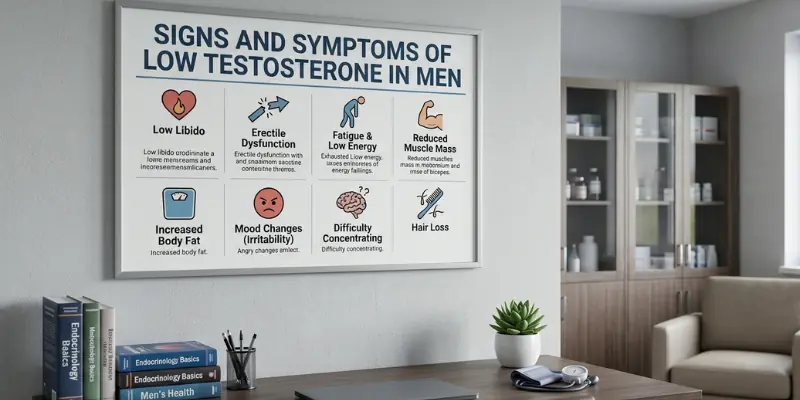
Recognizing the signs of low testosterone early can make a significant difference in quality of life. The symptoms can be subtle at first, which is why many men don’t connect the dots right away. Here’s a comprehensive look at what to watch for.
Physical Signs of Low Testosterone
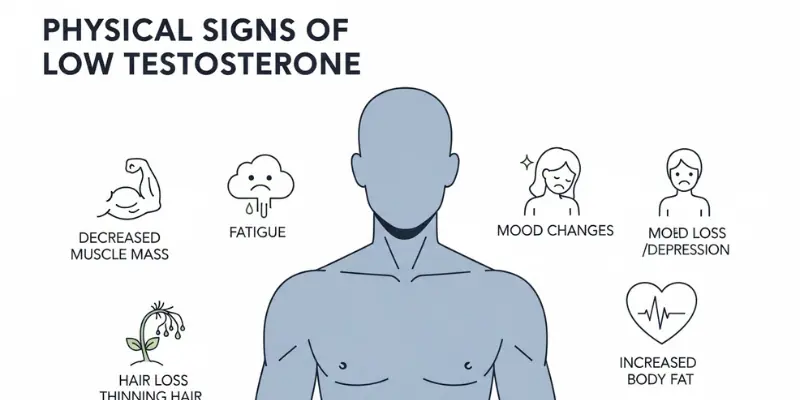
The most visible low testosterone signs often show up in your body composition and physical function:
• Reduced muscle mass – Even with regular exercise, men low in testosterone may find it harder to build or maintain muscle.
• Increased body fat – Particularly around the abdomen; some men even develop gynecomastia (enlarged breast tissue).
• Decreased bone density – Making bones more fragile and increasing fracture risk.
• Hair loss – Both facial and body hair may thin or reduce.
• Low energy and fatigue – Persistent tiredness that doesn’t improve with rest is one of the most reported signs low testosterone men experience.
• Hot flashes – Yes, men can experience these too.
• Reduced testicle size – A lesser-known but notable physical sign of low testosterone male doctors often check for.
Sexual and Reproductive Symptoms
The side effects of low testosterone in men are especially prominent in sexual health:
• Low libido – A significant and persistent drop in sex drive is one of the most telling signs of low T.
• Erectile dysfunction (ED) – While ED has many causes, testosterone deficiency is a common contributor.
• Reduced semen volume – Affecting fertility in some men.
• Infertility – Low testosterone can impair sperm production.
Psychological and Cognitive Signs
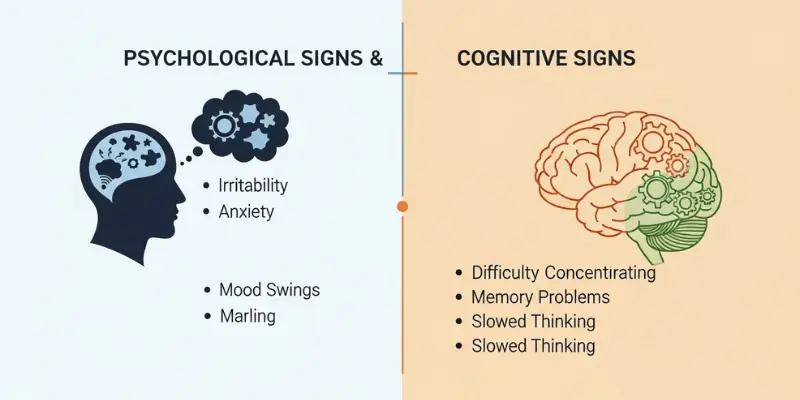
What does low testosterone do to a man beyond the physical? Quite a lot, it turns out:
• Depression and low mood – Testosterone plays a direct role in regulating mood; its absence can trigger or worsen depression.
• Irritability and mood swings – Emotional instability is a common but overlooked sign of low test.
• Brain fog and poor concentration – Difficulty focusing, forgetfulness, and mental sluggishness are classic decrease testosterone symptoms.
• Reduced motivation – A general lack of drive and ambition.
• Sleep disturbances – Including insomnia or disrupted sleep patterns.
How to Know If You Have Low Testosterone

So, how do I know if I have low testosterone? The honest answer is: a blood test is the only definitive way to confirm it. Here’s how to know if testosterone is low in practical terms:
1. Track your symptoms — Keep a log of fatigue levels, mood changes, libido, and physical performance over several weeks.
2. See your doctor — Request a blood panel that includes total testosterone, free testosterone, LH, FSH, and SHBG levels. The test is best done in the morning when levels are highest.
3. Rule out other causes — Many symptoms of low testosterone in men overlap with thyroid disorders, depression, or sleep apnea. A thorough evaluation helps pinpoint the cause.
4. Consider your age and history — If you’re over 40 and experiencing multiple signs of low testosterone in a man, it’s worth discussing with your healthcare provider.
Effects of Low Testosterone: What Happens If It Goes Untreated?
Understanding the effects of low testosterone long-term is important — because ignoring it carries real health risks. Here’s what happens when a man’s testosterone is low over extended periods:
• Cardiovascular risk – Some research links prolonged testosterone deficiency to increased risk of heart disease.
• Metabolic syndrome – Low testosterone is closely tied to insulin resistance, elevated blood sugar, and obesity.
• Osteoporosis – Bone loss accelerates significantly without adequate testosterone.
• Worsening mental health—Untreated low testosterone symptoms can contribute to chronic depression and cognitive decline.
• Relationship strain – Sexual dysfunction and mood changes can affect intimate relationships.
Treatment for Low Testosterone
The good news? Treatment for low testosterone has come a long way, and most men see significant improvement once properly managed.
Medical Treatments (Testosterone Replacement Therapy)
Testosterone Replacement Therapy (TRT) is the gold standard and comes in several forms:
• Testosterone injections – Administered every 1–2 weeks; one of the most effective methods.
• Topical gels or creams – Applied daily to the skin; convenient but require care to avoid transfer to partners.
• Testosterone patches – Worn on the skin and changed regularly.
• Subcutaneous pellets – Inserted under the skin every 3–6 months for sustained release.
• Oral testosterone – Less common; absorbed through the gums or swallowed.
Lifestyle-Based Approaches
For men who are low on testosterone due to lifestyle factors, these strategies can meaningfully raise levels:
• Exercise – Resistance training and HIIT are among the most effective natural testosterone boosters.
• Sleep optimization – Most testosterone is produced during deep sleep; aim for
7–9 hours.
• Weight loss – Body fat converts testosterone to estrogen; losing excess weight can raise levels meaningfully.
• Stress management – Chronic stress elevates cortisol, which suppresses
testosterone.
• Nutrition – Adequate zinc, vitamin D, and healthy fats support testosterone production.
• Limit alcohol – Heavy drinking is a well-known cause of testosterone low in
male symptoms.
Conclusion
Low testosterone in men is a real, diagnosable, and treatable condition — not simply an inevitable part of aging. From persistent fatigue and low libido to mood changes and muscle loss, the symptoms of low testosterone touch nearly every aspect of a man’s health and well-being.
If you’ve been nodding along while reading through the male with low testosterone symptoms listed here, don’t brush them aside. Talk to your doctor, get your levels tested, and explore your options. Whether through lifestyle changes, medical therapy, or a combination of both, effective help is available.
Frequently Asked Questions (FAQs)
What are the most common low testosterone symptoms in men?
The most frequently reported symptoms include chronic fatigue, reduced sex drive, erectile dysfunction, mood changes (particularly depression and irritability), difficulty building muscle, increased body fat, and brain fog. Not every man will experience all of these — even one or two persistent symptoms are worth investigating.
At what age do men typically develop low testosterone?
Testosterone levels begin declining naturally around age 30–35, at roughly 1–2% per year. However, significant signs of low testosterone in a man can appear at any age due to lifestyle factors, medical conditions, or genetic predisposition. Low testosterone in younger men (under 40) is more common than most people think.
Can low testosterone be treated without medication?
Yes, in many cases — especially when the cause is lifestyle-related. Treatment for low testosterone doesn’t always require medication. Regular resistance training, quality sleep, weight management, stress reduction, and proper nutrition can significantly improve testosterone low in male symptoms. That said, if levels are clinically low, medical treatment is often necessary for full recovery.
Is low testosterone dangerous if left untreated?
Over time, yes. The long-term effects of low testosterone include increased risk of osteoporosis, cardiovascular disease, metabolic syndrome, and worsening mental health. It’s important to take signs of low T seriously and seek proper medical evaluation.
How is low testosterone diagnosed?
Through a simple blood test measuring testosterone levels — ideally done in the morning when levels peak. Your doctor will likely also check free testosterone, LH, FSH, and other hormones to understand the root cause. How to know if testosterone is low definitively requires lab work, not just symptom assessment alone.