





Ashwagandha is one of the most talked about natural herbs for male health, and many men ask the question: Does Ashwagandha increase testosterone? The short answer is yes. Clinical studies show ashwagandha can increase testosterone levels by 15 to 20 percent, reduce stress hormones, improve energy, and support male fertility. In this blog, Dr. Naveed breaks down exactly what the research says, how it works in the body, the right dosage, and who benefits most from taking it.
What Is Ashwagandha?
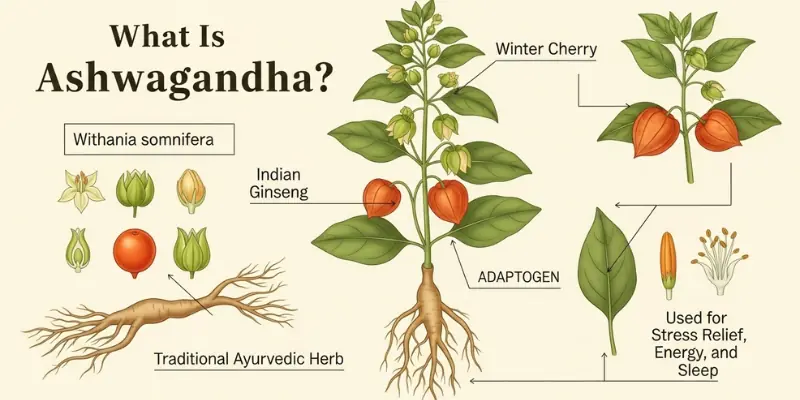
Ashwagandha (Withania somnifera) is an ancient herbal plant used in Ayurvedic medicine for over 3,000 years. It is also called Indian Ginseng. The root contains active compounds called withanolides, which are responsible for most of its health benefits.
Learn more about How to Increase Testosterone.
Table of Contents
Why Does Testosterone Matter?

Testosterone is the main male sex hormone. Low testosterone can cause:
- Low energy and fatigue
- Reduced sex drive
- Loss of muscle mass
- Poor mood or depression
- Weak concentration and brain fog
- Fertility problems
So, Does Ashwagandha Really Increase Testosterone?
Yes — multiple clinical studies show ashwagandha can increase testosterone by around 15–20% in men, especially those with stress, fatigue, or low hormone levels.
What the Research Says
| Study | Dose & Duration | Result |
|---|---|---|
| Lopresti et al. (2019) | 21 mg withanolides — 8 weeks | +14.7% testosterone increase |
| Wankhede et al. (2015) | 300 mg twice daily — 8 weeks | +96.2 ng/dL testosterone increase |
| Mutha et al. (2023) | 300 mg twice daily — 8 weeks | Significant testosterone increase |
| Infertile Men Study (2009) | 5 g daily — 3 months | Improved testosterone + sperm quality |
How Does It Work?
Ashwagandha does not directly produce testosterone. It works by:
- Lowering cortisol (the stress hormone that blocks testosterone)
- Increasing Luteinizing Hormone (LH), which signals the body to make more testosterone
- Raising DHEA-S levels, a hormone that converts into testosterone
- Protecting reproductive cells from oxidative damage
Recommended Dosage
| Goal | Dose | Duration |
|---|---|---|
| General testosterone support | 300–600 mg/day | 8–12 weeks |
| Stress reduction | 300 mg twice daily | 8 weeks |
| Male fertility | 5 g/day (under doctor supervision) | 3 months |
| Muscle strength + testosterone | 600 mg/day + exercise | 8 weeks |
Look for extracts standardized to at least 5% withanolides. The two most researched brands are KSM-66® and Shoden®.
Who Benefits Most?
Ashwagandha works best for men who have:
- Chronic stress or high cortisol
- Low or borderline testosterone levels
- Fatigue and low energy
- Fertility concerns
- Ages 40 and above
Possible Side Effects
Ashwagandha is generally safe at 300–600 mg/day. Mild side effects can include:
- Nausea or stomach upset
- Drowsiness
- Loose stools at high doses
Avoid ashwagandha if you are:
- Pregnant
- Taking thyroid medication
- Have autoimmune conditions
- Diagnosed with hormone-sensitive prostate cancer
Ashwagandha vs Testosterone Replacement Therapy (TRT)
| Heading | Ashwagandha | TRT |
|---|---|---|
| Testosterone increase | Modest (15–20%) | Significant |
| Prescription needed | No | Yes |
| Improves fertility | Yes | No (can reduce it) |
| Natural | Yes | No |
| Best for | Mild/borderline low T | Clinically diagnosed low T |
Dr. Naveed’s Verdict
Ashwagandha is one of the best-researched natural herbs for male hormone health. It can meaningfully support testosterone levels — especially in men dealing with stress, fatigue, or mild hormonal decline. Take 300–600 mg daily for at least 8 weeks for best results. Always consult your doctor before starting any supplement.
Frequently Asked Questions
1. How long does ashwagandha take to increase testosterone?
Most clinical studies show noticeable results after 8 weeks of consistent use. Some men report improvements in energy and mood within 2–4 weeks, but hormonal changes typically require at least 8–12 weeks to become measurable.
2. Can ashwagandha replace testosterone replacement therapy (TRT)?
No. Ashwagandha is best suited for men with mild or borderline low testosterone, particularly when stress is a contributing factor. Men with clinically diagnosed low testosterone should consult their doctor about TRT, as ashwagandha’s effects are modest in comparison.
3. Does ashwagandha help with fertility?
Yes. Studies show ashwagandha, particularly at higher doses around 5 g/day under medical supervision, can improve sperm quality, count, and motility, as well as support testosterone levels in infertile men.
4. Are there any drug interactions I should know about?
Ashwagandha may interact with thyroid medications, immunosuppressants, and sedatives. If you are on any prescription medication, consult your healthcare provider before starting supplementation.
5. What is the best form of ashwagandha to take?
Look for standardized root extracts containing at least 5% withanolides. KSM-66® and Shoden® are the most clinically studied and widely trusted forms available.