





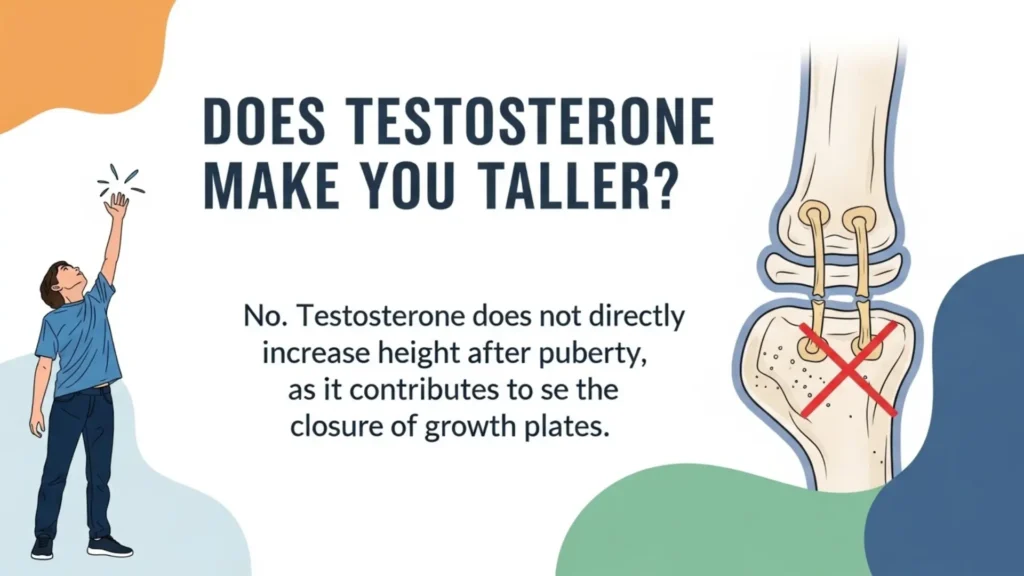

Over my years treating men at Vitalis Luxe Clinic, I’ve heard this question countless times: “Dr. Naveed, does testosterone make you taller?” It’s an understandable concern, especially when men see the dramatic changes testosterone can bring to muscle mass, energy levels, and overall vitality. Today, I want to give you a clear and straightforward answer based on both medical science and my clinical experience about whether testosterone therapy can actually increase height.
The Short Answer: It Depends on Your Age

Here’s what I tell my patients: testosterone can influence your height, but only during a specific window in your life. If you’re an adult with closed growth plates, testosterone therapy will not increase your height. However, the full story is more nuanced and worth understanding.
Table of Contents
How Growth Actually Works

To understand testosterone’s role in height, we first need to talk about how bones grow. Your height comes from the lengthening of long bones in your body, particularly in your legs and spine. This happens at specialized areas called growth plates (or epiphyseal plates).
Think of growth plates as the construction zones at the ends of your bones. They contain cartilage that can multiply and expand, allowing your bones to grow longer. During childhood and adolescence, these plates remain open and active. But here’s the crucial part: once these plates close and turn into solid bone, no further height growth is possible.
In my practice, I often use a simple analogy: growth plates are like doors that stay open during your growing years. Once they close, they lock permanently. No hormone, supplement, or therapy can reopen them.
Testosterone’s Role During Puberty
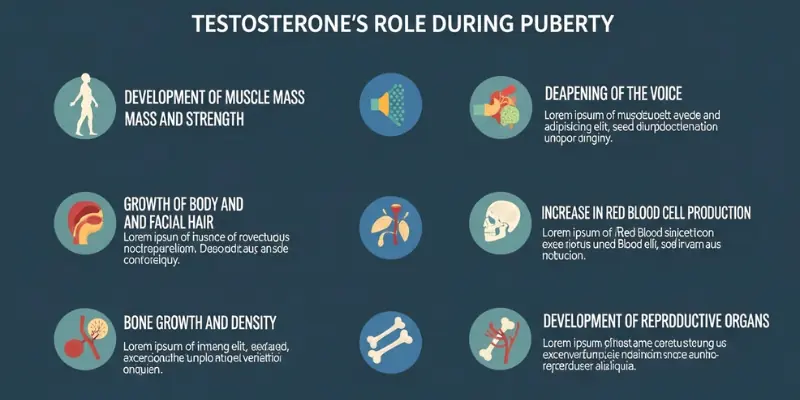
During puberty, testosterone plays a significant supporting role in height development. When boys go through puberty, typically between ages 9 and 15, testosterone levels surge dramatically. This hormone doesn’t work alone, though. It teams up with growth hormone and insulin-like growth factor (IGF-1) to fuel the teenage growth spurt.
I’ve seen in my patients with delayed puberty how testosterone helps trigger this growth process. The hormone stimulates the production of growth hormone and IGF-1, which directly promote bone lengthening at those growth plates we discussed.
But here’s something many people don’t realize: testosterone also signals when growth should stop. As testosterone levels stabilize in the late teens, the hormone actually triggers the closure of growth plates. This is why the growth spurt eventually ends. Your body is essentially saying, “We’ve reached the height we’re supposed to reach.”
When Growth Plates Close: The Point of No Return
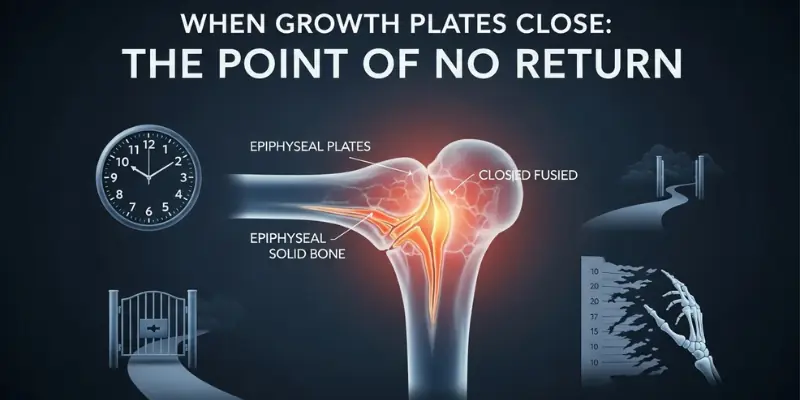
In males, growth plates typically close between ages 16 and 20, though the exact timing varies from person to person. Most of my patients have stopped growing by age 18. Once this closure happens, the transformation is permanent and irreversible.
I’ve had patients in their twenties and thirties come to our clinic hoping testosterone replacement therapy might add a few inches to their height. I always have to explain that their skeletal structure is now fixed. The growth plate fusion is complete, and the bones can no longer lengthen through any natural or medical intervention.
This is fundamental skeletal biology. After growth plate closure, your bones can increase in density and strength, but not in length. No amount of testosterone, growth hormone, or any other treatment will change this reality.
Can Low Testosterone Affect Height?
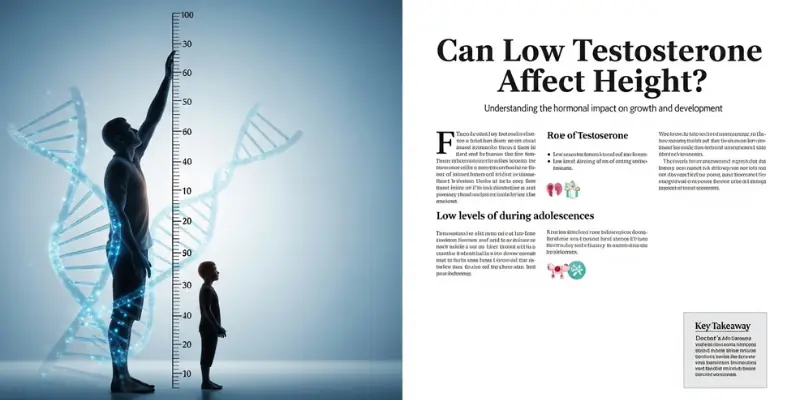
Now, here’s where things get medically relevant. In adolescent boys with genuinely low testosterone levels, delayed or insufficient growth can occur. I’ve treated several young patients with conditions like:
Constitutional Delay of Growth and Puberty (CDGP): These boys develop later than their peers. Their puberty is delayed, and so is their growth spurt.
Hypogonadism: This is a condition where the body doesn’t produce enough testosterone naturally, leading to stunted growth and underdeveloped characteristics.
In these specific cases, carefully monitored testosterone therapy during adolescence can help these young men reach their genetically predetermined height potential. The key phrases here are “during adolescence” and “with growth plates still open.”
Through my clinical experience, I’ve seen testosterone therapy successfully initiated in teenagers with confirmed hormone deficiencies. These treatments must be precisely timed and dosed. Starting too early or giving too much testosterone can actually backfire by causing premature growth plate closure, potentially resulting in shorter adult height than expected.
This type of treatment always requires a pediatric endocrinologist or hormone specialist. It’s not something done casually, and it’s certainly not applicable to adults.
What About Adults and TRT?
Let me be crystal clear about testosterone replacement therapy (TRT) in adults: it will not make you taller. However, this doesn’t mean TRT lacks value.
At Vitalis Luxe Clinic, I prescribe TRT to adult men for entirely different, but equally important, reasons:
- Restoring energy and reducing fatigue
- Improving muscle mass and strength
- Enhancing mood and mental clarity
- Supporting bone density (not length, but strength)
- Improving sexual health and libido
These benefits are real, measurable, and can dramatically improve quality of life. I’ve seen men transform their health and confidence through proper TRT, even though their height remained the same.
The Genetics Factor: Your Height Blueprint
It’s important to understand that genetics account for roughly 80% of your adult height. If both your parents are tall, you’re likely to be tall. If they’re shorter, you’ll likely follow that pattern.
Testosterone and other hormones are supporting players during your growing years, helping you reach your genetic potential. But they don’t override your DNA blueprint. Even optimal testosterone levels during puberty won’t make you exceed your genetic height ceiling.
A Common Misconception I Often Address
Many men mistakenly believe that because testosterone builds muscle and changes body composition in adults, it might also unlock further physical development like increased height. I understand why this seems logical, but bone lengthening operates on completely different biological principles than muscle growth.
Muscle tissue can grow and adapt throughout your adult life. Bone length cannot, once growth plates have fused. This is a fundamental difference in tissue biology.
What Actually Determines Your Final Height?
Based on current medical understanding, here are the main factors:
Genetics: The primary determinant, accounting for about 80% of height variation.
Nutrition: Adequate protein, calcium, and vitamin D during growing years support optimal bone development.
Overall Health: Chronic illnesses or hormonal imbalances during childhood can impact growth.
Hormones: Growth hormone, thyroid hormone, and sex hormones like testosterone all play roles during development.
Timing of Puberty: Earlier puberty can sometimes result in slightly shorter adult height because growth plates close sooner.
My Clinical Perspective
After years of treating men with testosterone-related concerns, I’ve learned that focusing on what TRT can actually do is far more productive than chasing impossible outcomes.
For adults, height is fixed. But vitality, strength, mental sharpness, and overall wellbeing are not. These are areas where properly administered TRT can create remarkable improvements.
For adolescents with confirmed hormone deficiencies, timely intervention can indeed help them reach their height potential. But this requires careful medical evaluation, monitoring, and expertise.
When to Seek Professional Evaluation
If you’re a young person (or a parent) concerned about delayed growth or puberty, consultation with a pediatric endocrinologist is appropriate. Warning signs might include:
- Significantly shorter stature than peers of the same age
- Delayed onset of puberty (no signs by age 14 in boys)
- Family history of delayed development
- Other symptoms of hormone imbalance
For adults experiencing symptoms of low testosterone, such as persistent fatigue, low mood, reduced muscle mass, or decreased libido, testosterone testing and potential TRT might be beneficial, though not for height reasons.
The Bottom Line from Dr. Naveed
At Vitalis Luxe Clinic, I believe in giving patients honest, science-based information. The truth about testosterone and height is straightforward:
Testosterone can influence height only during puberty, while growth plates remain open. Once you’ve reached adulthood and your growth plates have closed (typically by ages 16-20), no amount of testosterone will increase your height.
However, this doesn’t diminish the value of testosterone therapy for appropriate adult patients. TRT offers genuine benefits for men with low testosterone, improving energy, body composition, mood, and sexual health.
Your height is part of who you are, determined largely by genetics and set during your developmental years. But your vitality, strength, and overall health remain within your control throughout your adult life.
If you’re concerned about testosterone levels or wondering whether TRT might benefit you, I encourage you to seek proper medical evaluation. At our clinic in Hull, we provide comprehensive testosterone testing and evidence-based treatment plans tailored to each patient’s unique situation.
Remember: medicine works best when expectations align with biological reality. Understanding what’s possible allows us to focus on treatments that genuinely improve your health and quality of life.
Frequently Asked Questions
1. Is it true that testosterone closes growth plates and stops height growth?
Yes. While testosterone fuels the teenage growth spurt during puberty, it also signals the body when growth should stop. As testosterone levels stabilise in the late teens, it triggers growth plate closure — which is why the growth spurt eventually ends. This closure is permanent and irreversible.
2. Can taking too much testosterone during adolescence make you shorter?
Yes, this is a real risk. If testosterone therapy is started too early or dosed too high in adolescents, it can cause premature growth plate closure, potentially resulting in a shorter adult height than genetically expected. This is why any testosterone treatment in teenagers must be precisely timed and supervised by a pediatric endocrinologist or hormone specialist.
3. What are the warning signs that a teenager may have a testosterone or growth problem?
Parents and young people should seek professional evaluation if there is significantly shorter stature than peers of the same age, no signs of puberty by age 14 in boys, a family history of delayed development, or other symptoms suggesting a hormone imbalance. A pediatric endocrinologist can assess whether intervention is appropriate.
4. Why do some adults think testosterone will make them taller?
It is a common misconception that because testosterone builds muscle and changes body composition in adults, it might also trigger further physical growth like increased height. However, muscle tissue can grow and adapt throughout adult life, while bone length cannot once growth plates have fused. These are completely different biological processes.
5. What factors actually determine how tall a person grows?
Genetics is the primary determinant, accounting for approximately 80% of height variation. Other contributing factors include nutrition during the growing years — particularly protein, calcium, and vitamin D — overall health, hormonal balance including growth hormone and thyroid hormone, and the timing of puberty. Testosterone supports the process but does not override these fundamental influences.