
Polynucleotides Face Treatment
Polynucleotides face treatment is an injectable aesthetic treatment designed to support skin quality, hydration, texture and firmness across selected areas of the face. It may be considered for concerns such as fine lines, changes in skin texture and skin that appears tired or less resilient.
Vitalis Luxe Clinic provides personalised facial polynucleotide treatment in Cottingham, near Hull, East Yorkshire. Treatment is planned according to your skin condition, facial anatomy and the areas you would like to improve.
Looking for treatment in another area? Explore our full range of polynucleotide treatments at Vitalis Luxe Clinic.
What Are Polynucleotides for the Face?
Polynucleotides are injectable compounds used in aesthetic medicine to support regenerative processes within the skin.
Unlike treatments primarily designed to add facial volume, facial polynucleotides focus on improving the condition and quality of the skin itself.
They may be used to support improvements in:
- skin hydration
- skin texture
- firmness
- elasticity
- fine lines
- overall skin quality
How Do Polynucleotides Work on the Face?
Polynucleotide treatment is intended to support the skin’s natural regenerative environment rather than simply creating immediate volume.
The treatment is commonly associated with fibroblast activity and the processes involved in maintaining collagen and elastin.
In simple terms:
Polynucleotides → support skin processes → collagen and elastin → improved skin properties
The visible aim is gradual improvement in qualities such as:
- hydration
- texture
- firmness
- elasticity
- overall skin appearance
Skin Hydration
The objective is not simply temporary surface moisturisation but supporting the appearance and condition of the treated skin.
Skin Firmness and Elasticity
Changes in collagen and elastin can affect how firm and resilient facial skin appears.
Polynucleotide treatment may be considered as part of a skin-rejuvenation plan where improved firmness and elasticity are treatment goals.
Fine Lines and Facial Skin Texture
Changes in collagen, elasticity and hydration can make fine lines and uneven texture more noticeable over time.
Polynucleotide treatment may be used to support gradual improvement in skin quality and the appearance of fine lines.
What Happens During Polynucleotide Face Treatment?
The selected treatment areas are assessed and prepared before the polynucleotide product is administered into appropriate points within the skin.
The exact placement and treatment technique depend on the product, treatment area, your anatomy and your agreed plan.
Rather than using a fixed injection map for everyone, treatment should be personalised to the individual.
What Are the Benefits of Polynucleotides for the Face?
Facial polynucleotide treatment may be considered when the goal is to improve overall skin quality rather than dramatically alter facial shape.
Potential treatment goals can include:
- improving dry or dehydrated-looking skin
- supporting smoother skin texture
- softening the appearance of fine lines
- improving the appearance of skin firmness
- supporting elasticity
- improving tired-looking or ageing skin
Results vary according to the patient’s skin, age, treatment area and individual response.
Full Face Polynucleotides
Full face polynucleotides refers to treating multiple selected areas of facial skin rather than concentrating on one isolated area.
Depending on your skin and treatment plan, areas assessed may include the:
- forehead
- cheeks
- mid-face
- lower face
- jawline region
It does not mean that every patient requires injections across every part of the face.
Treatment points and product placement should be determined after an individual assessment.
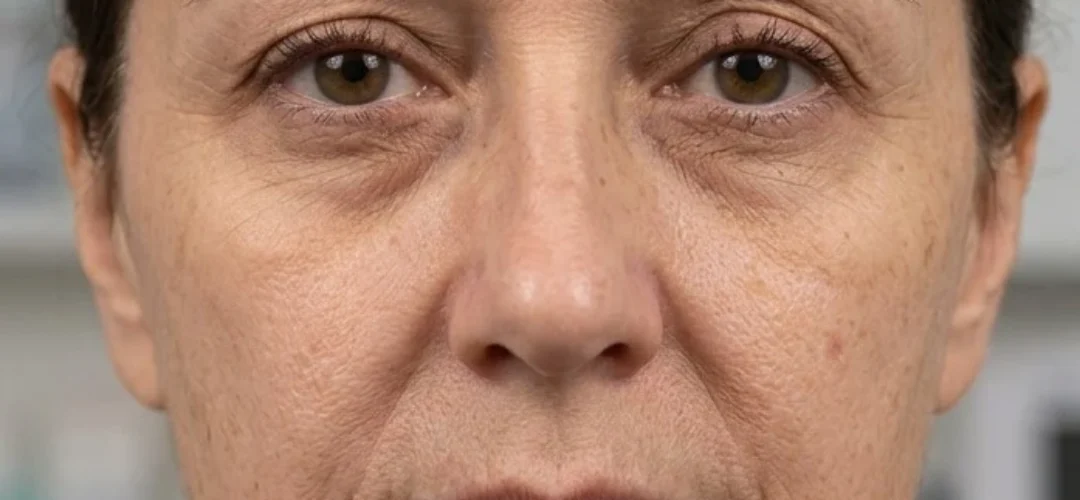
Polynucleotides Face Before and After
Before-and-after results from facial polynucleotide treatment can vary depending on skin condition, treatment area, age and individual response. The treatment is designed to support gradual improvements in skin quality rather than create an immediate volumising effect.
Before Polynucleotide Face Treatment
Before treatment, patients may notice concerns such as fine lines, dehydration, uneven skin texture, reduced firmness or skin that appears tired and less resilient. A consultation helps identify which concerns may be suitable for facial polynucleotide treatment.
Before, photographs could also provide a useful reference point for tracking changes over time. Images should ideally be taken in consistent lighting, from similar angles and with the same facial position.
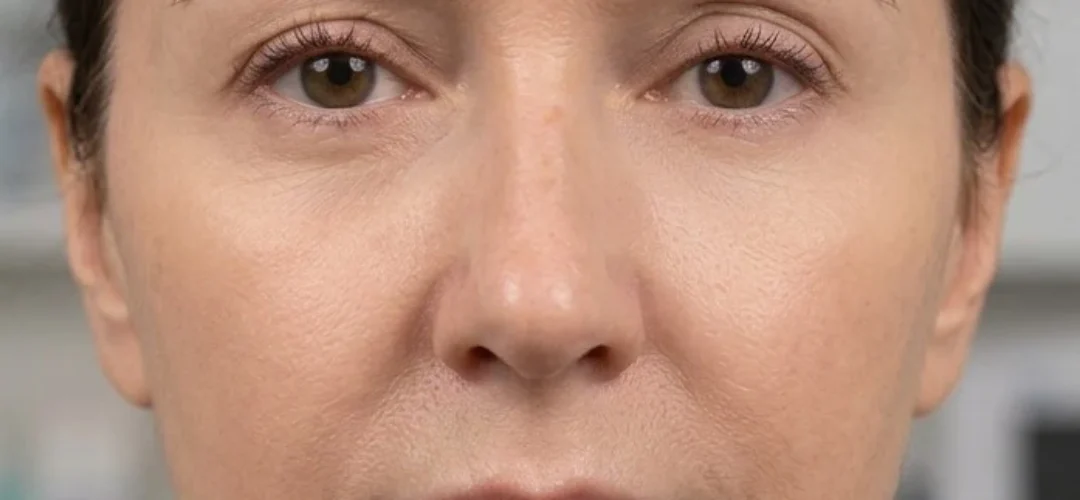
After Polynucleotide Face Treatment
After treatment, improvements may develop gradually as the skin responds over time. Patients may notice changes in hydration, texture, firmness and overall skin quality, although results vary between individuals.
Temporary redness, mild swelling, tenderness or small injection-site bumps may appear shortly after treatment. Final results should be assessed after the recommended treatment course and appropriate settling period.
When Will I See Results from Polynucleotides on the Face?
Facial polynucleotide results develop gradually.
Unlike an injectable treatment designed primarily to create immediate volume, the objective is progressive improvement in the quality of the skin.
The time required to notice changes can vary according to:
- baseline skin condition
- treatment area
- product used
- treatment course
- age
- individual biological response
For this reason, results should be evaluated over the treatment course rather than immediately after one appointment.
What Happens During a Polynucleotide Face Consultation?
Your consultation at Vitalis Luxe Clinic allows the practitioner to assess your skin and understand what you want to improve.
The assessment may consider:
- skin texture
- hydration
- fine lines
- firmness
- elasticity
- treatment areas
- previous injectable treatments
- your expectations
A personalised treatment plan can then be discussed.
How Long Do Polynucleotides Last on the Face?
Results from facial polynucleotides are temporary.
How long improvements remain noticeable varies according to factors such as:
- individual skin condition
- age
- lifestyle
- product
- treatment course
- individual response
- maintenance treatment
Your practitioner can discuss an appropriate maintenance plan following the initial treatment course.
Polynucleotide Face Treatment Side Effects
As with other injectable treatments, temporary side effects can occur.
These may include:
- redness
- swelling
- tenderness
- bruising
- temporary injection-site bumps
Other complications are possible.
Patients should be informed about expected post-treatment effects, warning signs and how to contact their clinic if they have concerns.

Our Founder
Dr. Naveed Shaikh - MBBS (Newcastle upon Tyne) MRCGP
Dr Naveed Shaikh is the founder of Vitalis Luxe Clinic and holds MBBS (Newcastle upon Tyne) and MRCGP qualifications. His medical background supports a consultation-led approach across men’s health and aesthetic care, with treatment decisions based on individual concerns, medical history, suitability and realistic goals.
Dr Naveed also sees patients at Optima Clinic in Hull, where consultations and selected treatments can be provided within a professional clinical setting.
Vitalis Luxe Clinic operates as Dr Naveed’s independent practice, providing personalised men’s health and aesthetic care. Where Optima Clinic is used as a consultation or treatment venue, Vitalis Luxe Clinic remains a separate independent service.
Why Choose Vitalis Luxe Clinic for Polynucleotide Face Treatment?
At Vitalis Luxe Clinic, facial polynucleotide treatment begins with an individual assessment rather than applying the same treatment plan to every patient.
Our approach includes:
- personalised consultation
- facial skin assessment
- treatment planning based on your concerns
- realistic discussion of expected outcomes
- explanation of possible side effects and downtime
- personalised aftercare
- private treatment in Cottingham, near Hull
Frequently Asked Questions About Cheek Filler
What do polynucleotides do for the face?
Polynucleotides are used to support improvements in facial skin quality, including hydration, texture, firmness and the appearance of fine lines.
What is a full-face polynucleotide treatment?
Full-face polynucleotide treatment involves treating multiple selected facial areas rather than one isolated area. The exact treatment areas should be determined during consultation.
How long do polynucleotides take to work on the face?
Results develop gradually rather than immediately. The timeline varies according to skin condition, treatment area, treatment course and individual response.
How Much Does Polynucleotide Face Treatment Cost?
The cost of facial polynucleotide treatment can depend on:
- treatment area
- whether treatment involves one area or multiple facial areas
- product used
- number of sessions
- treatment plan
- maintenance requirements
What Is the Best Polynucleotide for the Face?
There is no single polynucleotide product that can accurately be described as the best option for every face.
Product selection can depend on:
- treatment area
- skin condition
- formulation
- treatment objective
- practitioner preference and assessment
Can I Wash My Face After Polynucleotides?.
Patients should follow the aftercare instructions given by their practitioner regarding cleansing and skincare after treatment.
Avoid giving one universal washing timeframe on the service page unless Vitalis confirms its own aftercare protocol.
Can Polynucleotides Go Wrong?
Searchers also look for information around polynucleotides gone wrong, so this should not be avoided.
Temporary bumps, redness or mild swelling immediately after injections do not necessarily indicate that something has gone wrong.
However, unexpected, severe, worsening or persistent symptoms should be appropriately assessed.
Clear discussion of side effects and realistic outcomes can improve trust because safety is a significant part of the observed search journey.
Polynucleotides vs Profhilo
Polynucleotides and Profhilo are both injectable aesthetic treatments associated with improving skin quality, but they are not identical treatments.
The most suitable option depends on the patient’s skin, treatment goals and the areas being treated.
Polynucleotides | Profhilo |
Polynucleotide-based treatment | Hyaluronic-acid-based injectable treatment |
Focuses on skin-quality improvement | Commonly used for skin hydration and remodelling |
Treatment course may be required | Treatment is also commonly delivered as a course |
Treatment plan depends on skin and area | Treatment plan depends on individual assessment |
Rather than claiming that one treatment is universally “better”, your consultation should determine which option is more appropriate for the individual.
How Many Polynucleotide Face Treatments Are Needed?
Polynucleotide treatments are commonly planned as a course of treatment, although the appropriate number and spacing of sessions can vary.
Vitalis Luxe Clinic should publish its exact recommended course only when the clinic’s own protocol has been confirmed.
Can polynucleotides be used under the eyes?
Yes, the under-eye area is a commonly discussed treatment area. Because it has distinct concerns and treatment considerations, Vitalis Luxe Clinic has a dedicated Polynucleotides Under Eyes service page.
Book Your Polynucleotide Face Consultation
Book a personalised consultation with Vitalis Luxe Clinic to discuss your facial skin concerns and treatment goals.
We can assess your skin, explain how facial polynucleotides work and discuss whether this treatment or another option is better suited to your needs