
Polynucleotide Neck Treatment
Polynucleotide neck treatment is an injectable aesthetic treatment designed to support the quality, texture, hydration and firmness of neck skin. It may be considered for concerns such as fine lines, crepey skin and age-related changes in skin texture.
Vitalis Luxe Clinic provides personalised polynucleotide neck treatment in Cottingham, near Hull, East Yorkshire. Treatment is planned around your neck skin, individual concerns and the results you would like to achieve.
You can also explore our complete range of polynucleotide treatments at Vitalis Luxe Clinic.
What Are Polynucleotides for the Neck?
Polynucleotides are injectable compounds used in regenerative aesthetic treatments to support processes involved in skin repair and skin quality.
When used on the neck, treatment focuses primarily on the condition of the skin itself, rather than adding significant volume or surgically removing loose skin.
The treatment may be considered where the goals include improved:
- hydration
- texture
- firmness
- elasticity
- fine lines
- crepey appearance
- overall neck skin quality.
How Do Polynucleotides Work on Neck Skin?
Polynucleotide treatment is associated with biological processes involving fibroblasts, collagen and elastin.
A useful way to understand the treatment is:
Polynucleotides → support fibroblast activity → collagen and elastin → skin quality
Collagen and elastin contribute to properties such as firmness and elasticity, while skin hydration also influences how smooth and healthy the neck appears.
The aim is therefore gradual improvement in skin condition rather than an immediate lifting or volumising effect.
Do Polynucleotides Tighten Neck Skin?
Facial volume can change over time as part of the natural ageing process.
When volume reduces through the mid-face, the cheeks may appear flatter or less defined than previously.
Carefully placed filler may be used to restore volume in selected areas of the cheek and create a fuller, more supported appearance.
The objective should be a result that remains proportionate to the rest of the face rather than simply adding as much volume as possible.
What Polynucleotides Cannot Fix
Polynucleotides should not be expected to correct every neck concern.
They may be less appropriate as a standalone treatment for:
- significant loose or hanging skin
- pronounced structural laxity
- substantial excess skin
- advanced neck ageing requiring a different treatment approach
- concerns where skin quality is not the main underlying issue
A consultation allows the practitioner to assess whether the concern is mainly related to skin quality, laxity, anatomy or another factor.
Who May Be Suitable for Polynucleotide Neck Treatment?
Treatment may be considered by adults concerned about changes in the quality and appearance of their neck skin.
Suitability depends on factors such as:
- degree of skin ageing
- skin texture
- crepiness
- fine lines
- skin laxity
- medical history
- previous aesthetic treatments
- expectations
A consultation is needed to determine whether polynucleotides are suitable or whether another treatment may be more appropriate.
Can Cheek Filler Lift the Face?
Cheek filler is sometimes described online as a treatment that can “lift” the face.
Adding support or volume to the mid-face may influence how surrounding facial areas appear, but cheek filler should not be presented as a guaranteed substitute for a surgical lifting procedure.
The effect depends on facial anatomy, existing volume, skin characteristics and the treatment plan.
Similarly, concerns such as under-eye hollowing, nasolabial folds or jowls should be assessed individually rather than assuming that cheek filler will automatically correct them.
What Happens During Your Consultation?
At Vitalis Luxe Clinic, your consultation allows the practitioner to assess the neck before recommending treatment.
The assessment may consider:
- skin texture
- hydration
- fine lines
- crepiness
- degree of skin laxity
- previous treatments
- medical history
- treatment goals
The practitioner can then explain what polynucleotides may realistically achieve for your individual concern.
What Happens During Polynucleotide Neck Treatment?
The neck is assessed and prepared before small amounts of polynucleotide product are administered into selected treatment points.
The precise injection pattern should depend on:
- your anatomy
- skin condition
- treatment area
- product used
- agreed treatment plan
Small raised areas at injection sites may be visible immediately afterwards.
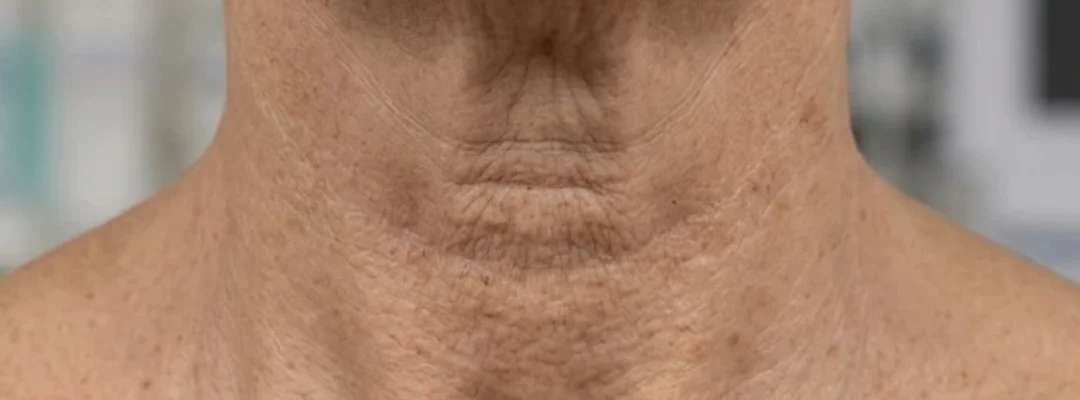
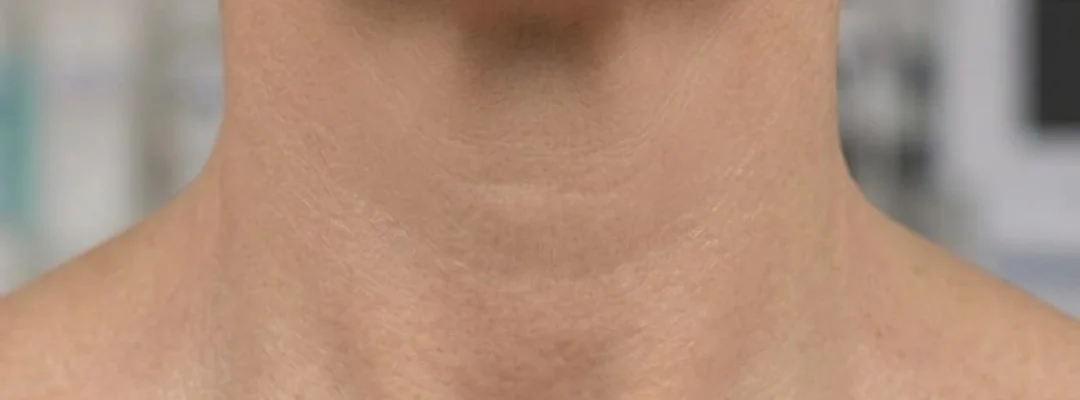
Polynucleotides Neck Before and After
Polynucleotide neck treatment is designed to support improvements in skin quality, hydration, texture and the appearance of fine lines. Before-and-after photographs can help show how the neck may look following an appropriate treatment course.
Before Treatment
Patients may be concerned about:
- crepey skin
- fine neck lines
- reduced firmness
- dehydration
- uneven texture
- ageing neck skin
After Treatment
After treatment, the neck may appear smoother, more hydrated and refined, with improvements in the appearance of fine lines and skin texture. Results develop gradually and can vary depending on individual skin condition, treatment plan and response
What Does the Neck Look Like Immediately After Treatment?
Immediately after polynucleotide injections, temporary treatment-site effects may be visible.
These can include:
- small bumps or blebs
- redness
- mild swelling
- tenderness
- bruising
These early effects are part of the recovery period and should not be judged as the final result.
What Happens During Polynucleotide Neck Treatment?
The neck is assessed and prepared before small amounts of polynucleotide product are administered into selected treatment points.
The precise injection pattern should depend on:
- your anatomy
- skin condition
- treatment area
- product used
- agreed treatment plan
Small raised areas at injection sites may be visible immediately afterwards.
Polynucleotide Neck Side Effects and Risks
As with other injectable treatments, side effects can occur.
Temporary effects may include redness, bruising, swelling, tenderness and small injection-site bumps.
Other complications are possible.
Patients should receive information about:
expected recovery → possible side effects → warning signs → when to contact the clinic
Can Polynucleotide Neck Treatment Go Wrong?
Temporary redness, swelling, bruising or injection-site bumps do not automatically mean treatment has gone wrong.
However, symptoms that are severe, worsening, unusual or persistent should be assessed appropriately.
This is why treatment planning, practitioner experience and clear post-treatment support matter.

Our Founder
Dr. Naveed Shaikh - MBBS (Newcastle upon Tyne) MRCGP
Dr Naveed Shaikh is the founder of Vitalis Luxe Clinic and holds MBBS (Newcastle upon Tyne) and MRCGP qualifications. His medical background supports a consultation-led approach across men’s health and aesthetic care, with treatment decisions based on individual concerns, medical history, suitability and realistic goals.
Dr Naveed also sees patients at Optima Clinic in Hull, where consultations and selected treatments can be provided within a professional clinical setting.
Vitalis Luxe Clinic operates as Dr Naveed’s independent practice, providing personalised men’s health and aesthetic care. Where Optima Clinic is used as a consultation or treatment venue, Vitalis Luxe Clinic remains a separate independent service.
Why Choose Vitalis Luxe Clinic for Neck Polynucleotides?
Vitalis Luxe Clinic takes a personalised approach to polynucleotide treatment.
Your treatment plan begins with an assessment of the neck skin and the concern you would like to improve.
Our approach includes:
- personalised consultation
- neck skin assessment
- treatment planning based on your individual concerns
- realistic discussion of expected outcomes
- clear explanation of limitations
- aftercare guidance
- private treatment in Cottingham, near Hull
Frequently Asked Questions About Cheek Filler
Are polynucleotides good for the neck?
Polynucleotides may be considered for neck skin concerns such as crepiness, fine lines, dehydration and changes in texture or firmness. Suitability depends on the individual concern.
Do polynucleotides tighten neck skin?
They may improve the appearance of skin quality and firmness, but they should not be presented as an alternative to surgical tightening for significant loose skin.
What do polynucleotides do for crepey neck skin?
There is no standard amount for everyone. The appropriate quantity depends on your anatomy, existing volume, treatment area and desired outcome.
How Much Does Polynucleotide Neck Treatment Cost?
Treatment cost can depend on:
- product used
- size of treatment area
- number of sessions
- treatment protocol
- maintenance requirements
Polynucleotides vs Dermal Filler for the Neck
Polynucleotides and dermal fillers work differently.
Polynucleotides are used primarily to support skin quality, while dermal fillers are used primarily to add or restore volume in selected areas.
The right approach therefore depends on the concern being treated.
Polynucleotides vs Profhilo for the Neck
Polynucleotides and Profhilo can both form part of skin-quality treatment plans, but they use different formulations and should not be treated as interchangeable.
Polynucleotides | Profhilo |
Polynucleotide-based injectable | Hyaluronic-acid-based injectable |
Focuses on skin-quality improvement | Commonly associated with hydration and skin remodelling |
May be considered for crepey or ageing skin | May be considered for selected skin-quality concerns |
Treatment course varies | Treatment course also depends on protocol |
Suitable option depends on assessment | Suitable option depends on assessment |
Neither treatment is universally better.
The choice should be based on the patient’s skin, concerns and treatment objectives.
How Many Polynucleotide Neck Treatments Are Needed?
Polynucleotide treatment is commonly approached as a course of sessions rather than a one-off treatment.
However, the exact number and spacing should depend on the product used, skin condition and treatment protocol.
Vitalis should publish the exact number of recommended sessions only once the clinic’s own treatment protocol has been confirmed.
Is Polynucleotide Neck Treatment Surgical?
No. Polynucleotide treatment is a non-surgical injectable treatment.
The product is administered into selected areas of the neck using injections rather than through an operation.
How long do polynucleotides take to work on the neck?
Results usually develop gradually. The timeline varies according to the treatment course and individual response.
How Long Do Polynucleotide Neck Results Last?
Results are temporary.
Longevity can vary according to individual skin condition, age, lifestyle, treatment protocol and maintenance treatment.
Once the initial course has been completed, your practitioner can discuss whether maintenance sessions may be appropriate.
Book Your Polynucleotide Neck Consultation
Book a consultation with Vitalis Luxe Clinic to discuss your neck skin and treatment goals.
We can assess your concerns, explain how polynucleotide treatment works and discuss whether this or another treatment may be better suited to your needs.