
TRT Blood Test
Testosterone Blood Test UK — Accurate Hormone Testing
Are you feeling constantly drained, struggling with low libido, or noticing changes in your mood and body composition? Low testosterone could be the cause and you deserve a clear answer. At Vitalis Luxe Clinic, our testosterone blood test gives you clinically accurate, doctor-reviewed results so you can stop guessing and start taking control of your hormonal health.
When & Why You Need a Testosterone Blood Test
If something feels off, whether it’s your energy, your drive, or your body, your testosterone levels could be telling a story your body is trying to communicate. A testosterone blood test UK is the most reliable way to confirm whether low testosterone is behind your symptoms and whether TRT treatment could help.
- A blood test for testosterone is recommended when you experience persistent fatigue or unexplained energy crashes
- You notice reduced libido, erectile dysfunction, or declining sexual performance
- Mood changes, irritability, brain fog, or low motivation are affecting your daily life
- You are losing muscle mass despite regular training or gaining body fat without explanation
- You are considering or are currently on testosterone replacement therapy and need monitoring
- You are over 30 and want a proactive men’s health check to establish your baseline
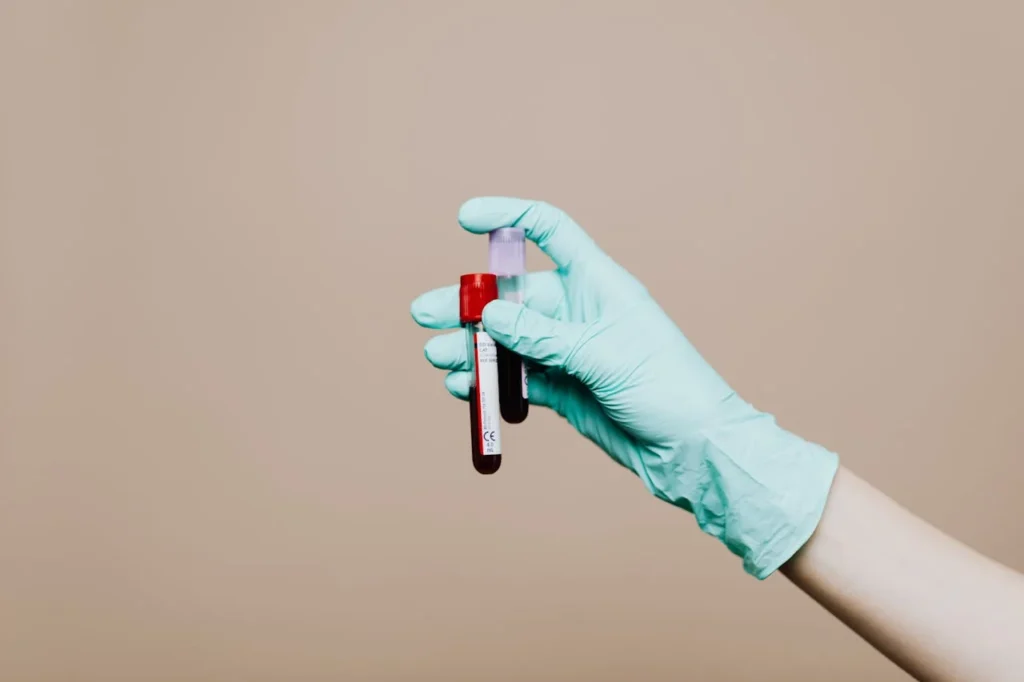
What Does Our Testosterone Blood Test Measure?
Our comprehensive testosterone blood test goes far beyond a single number. We analyse the complete hormonal picture — giving you and your doctor the data needed to make genuinely informed decisions about your health, TRT eligibility, and long-term wellbeing.
Total Testosterone
The foundational serum testosterone marker, total testosterone, measures all circulating testosterone in your blood. It is the primary starting point for any testosterone diagnosis and is compared against the clinically accepted normal testosterone range.
Free Testosterone
Only a small fraction of your testosterone is biologically active. Free testosterone — unbound to sex hormone-binding globulin or albumin — is the form your body can actually use. Low free testosterone can cause symptoms even when total testosterone appears normal, making this a critical biomarker in comprehensive assessment.
SHBG
Sex hormone-binding globulin directly controls how much testosterone remains free and active in your body. Elevated SHBG can mask testosterone deficiency, making this measurement essential for an accurate hormonal assessment.
Albumin Levels
Albumin is a carrier protein that binds testosterone loosely. Measuring albumin alongside SHBG allows for accurate calculation of bioavailable testosterone — the portion available for use by your muscles, brain, and other tissues.
LH & FSH Hormones
Luteinising hormone (LH) and follicle-stimulating hormone (FSH) are signals sent by the pituitary gland that regulate testosterone and sperm production. These markers help identify whether low testosterone originates from a pituitary gland disorder, a testicular issue, or another cause.
Oestradiol & Prolactin
Elevated oestrogen levels or raised prolactin can suppress testosterone, cause hormonal imbalance, and worsen symptoms. Measuring both ensures your TRT plan is not disrupted by undetected hormonal issues.
PSA, Liver & Kidney Function
Prostate-specific antigen (PSA), liver function, and kidney function tests are vital safety markers — particularly before and during TRT treatment. These protect your long-term prostate health, liver health, and kidney function.
Full Blood Count & Cholesterol Profile
A full blood count checks haematocrit and red blood cell production, both of which can be affected by testosterone therapy. Your cholesterol profile helps assess cardiovascular health risks and provides a safe, comprehensive diagnostic blood test.
Symptoms Linked to Low Testosterone
Low testosterone does not always look the same in every man. If you recognise any of the following low testosterone symptoms, a blood test testosterone check at Vitalis Luxe Clinic can tell you exactly where you stand.
A noticeable drop in sex drive or difficulty achieving or maintaining an erection is one of the earliest and most common signs of testosterone deficiency.
Persistent, unexplained tiredness that does not improve with rest is a hallmark indicator of low T and declining hormone levels.
Testosterone plays a direct role in cognitive function — difficulty concentrating, memory lapses, and mental sluggishness are often hormone-driven.
Struggling to build or maintain muscle despite training? Testosterone is the primary driver of muscle and bone growth; a deficiency will undermine your physical results.
Low mood, depression, irritability, anxiety, and a loss of drive or confidence are frequently linked to hormonal imbalance and declining testosterone levels.
Testosterone regulates fat distribution and recovery speed. Low T often leads to increased body fat — particularly around the abdomen and prolonged recovery after exercise.
Types of Testosterone Blood Tests Available
Basic Testosterone Blood Test
A basic blood test for testosterone measures total testosterone only. It provides a useful first indicator of whether your levels fall within the normal testosterone range, but it does not give a full hormonal picture. It is a starting point — not a complete assessment.
Advanced Male Hormone Profile
This expanded panel adds free testosterone, SHBG, LH, FSH, and oestradiol to the picture. It is suitable for men experiencing symptoms of low T who need more than a basic screen to understand their hormonal status and TRT eligibility.
Comprehensive TRT Blood Panel
Our most detailed test and the gold standard for anyone considering or already on TRT. This TRT blood test covers all hormone biomarkers alongside PSA, liver function, kidney function, full blood count, and cholesterol — everything needed to safely diagnose, plan, and monitor testosterone replacement therapy.
Finger-Prick vs Venous Blood Testing
Finger-prick tests offer convenience but typically measure only total testosterone with less precision. A venous blood test, taken by a phlebotomist or nurse, provides a larger, higher-quality blood sample — delivering far greater accuracy for all testosterone biomarkers and making it the recommended option for TRT eligibility assessments.
Why Venous Testosterone Blood Testing Is More Accurate
When accurate results matter — and they always do — venous blood testing is the clinical standard. A venous sample collected by a trained phlebotomist provides a consistent, uncontaminated blood draw that ensures your testosterone blood test results genuinely reflect your hormone levels, not an artefact of poor sample collection. This is why all our testosterone blood test UK appointments use the venous method.
Higher Accuracy Than Finger-Prick Tests
Venous samples eliminate the haemolysis and volume inconsistencies common with finger-prick testing, delivering a far more accurate testosterone reading across all biomarkers.
Better Hormone Biomarker Analysis
A larger venous sample allows the laboratory to test the full spectrum of testosterone biomarkers — including SHBG, albumin, free testosterone, and advanced safety markers — in one comprehensive blood panel.
Recommended for TRT Eligibility Assessments
Both UK clinical guidelines and research-backed TRT protocols require venous blood testing to confirm testosterone deficiency before prescribing any testosterone treatment. Our nurse-administered venous testing meets this standard.
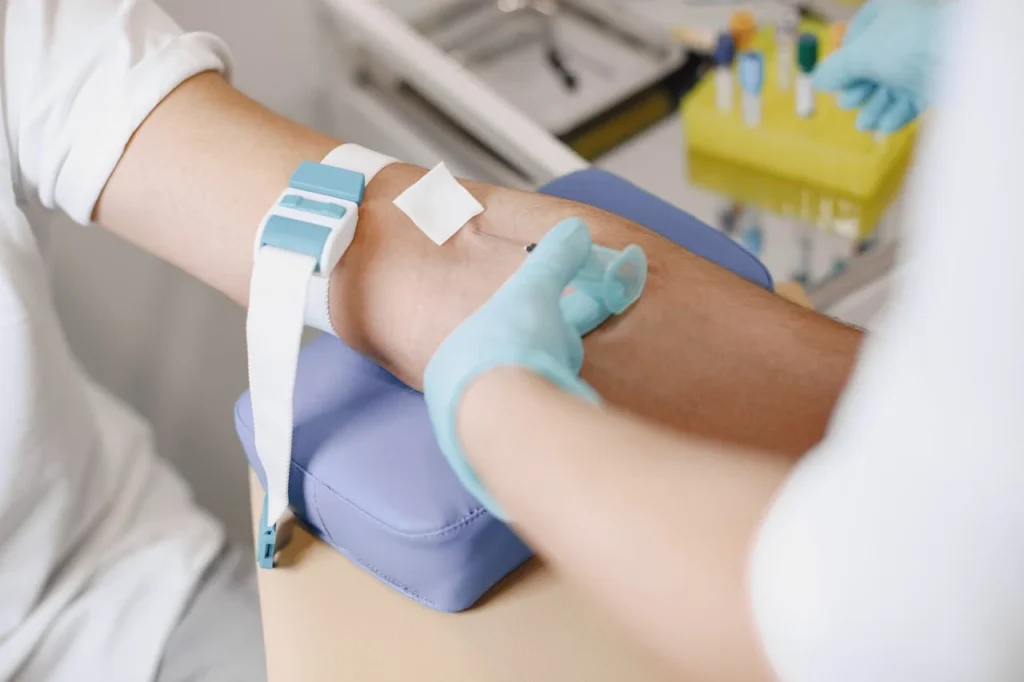
How Testosterone Blood Test Process Works
Why Choose Vital Luxe Clinic for Your TRT Blood Test
There are dozens of blood testing services in UK — but very few that combine clinical precision, genuine medical oversight, and a genuinely personalised approach to men’s hormonal health. At Vital Luxe Clinic, your TRT blood test is not just a transaction it is the beginning of a health journey designed around you.
Hormone Assessments
Every testosterone result is reviewed by a qualified doctor not an algorithm or a generic report. You receive real clinical insight, clear explanations, and evidence-based recommendations tailored to your symptoms and health goals.
Testosterone Testing
Our testosterone blood test UK panels are among the most thorough available — covering all essential hormone biomarkers, safety markers, and the diagnostic criteria required for TRT eligibility assessment.
Personalised TRT Support
From your first test to an ongoing personalised TRT plan, Vital Luxe Clinic provides continuous support, regular monitoring, and treatment adjustments based on your evolving results and wellbeing.
Confidential Online Process
Book, receive results, and communicate with your doctor through our fully encrypted, GDPR-compliant online platform — total privacy, zero compromise.
Book Your Testosterone Blood Test Today
Do not let low testosterone define your quality of life. Whether you want clarity, want to explore TRT, or simply want to know where your hormones stand, Vital Luxe Clinic is ready to help.
Book your testosterone blood test today and take the first, most important step towards feeling like yourself again.
Book an Appointment
Patient Reviews After Low Testosterone Test and Care



A testosterone blood test is a diagnostic blood test that measures the levels of testosterone — the primary male sex hormone — in your blood. It analyses total testosterone, and when part of a comprehensive panel, also measures free testosterone, SHBG, albumin, and other hormone biomarkers to give a complete picture of your endocrine health.
A venous testosterone blood test conducted at an accredited laboratory is highly accurate. Venous sampling eliminates the inconsistencies of finger-prick tests and provides a reliable, clinically valid result. For TRT eligibility, two morning, fasted venous blood tests are typically required to confirm a diagnosis.
At-home testosterone tests using a finger-prick blood sample are available, but they measure only total testosterone with limited accuracy. For a clinically meaningful result — especially if you are considering TRT treatment — a professionally administered venous blood test at a UK clinic is strongly recommended.
Most testosterone blood test results are returned within 2–3 working days following your appointment. At Vital Luxe Clinic, your results are then reviewed by a doctor before being securely delivered to you with a personalised clinical summary.
Yes. UK clinical guidelines recommend that two separate blood tests for testosterone — both taken in the morning under fasted conditions — confirm consistently low testosterone levels before TRT medication is prescribed. This ensures the diagnosis is accurate and the treatment is appropriate.
Normal levels typically range between 300–1000 ng/dL, but this can vary by age and lab standards. A doctor interprets results based on your symptoms and health.
Absolutely. While testosterone is often considered a male hormone, it plays an important role in female health — influencing libido, energy, mood, and bone health. Women with PCOS, menstrual cycle irregularities, or hormonal imbalance symptoms may benefit from having their female testosterone levels tested.
The cost of a testosterone blood test in the UK varies depending on the panel selected. A basic test is the most affordable entry point, while a comprehensive TRT blood panel that includes all safety markers and hormone biomarkers is priced at a premium. Contact Vital Luxe Clinic directly for current pricing and panel options.
Men should consider checking their testosterone levels from the age of 30 onwards — particularly if they experience any low testosterone symptoms, are considering TRT in the UK, have a history of testicular function issues, adrenal gland disorders, or have been using anabolic steroids. Proactive testing through hormone optimisation is always preferable to waiting until symptoms become severe.