
Polynucleotides Hair Treatment
Polynucleotides hair treatment is an injectable scalp treatment designed to support scalp health and the environment around the hair follicles. It may be considered for people experiencing hair thinning or reduced hair density where this type of treatment is clinically appropriate.
Vitalis Luxe Clinic provides personalised polynucleotide hair treatment in Cottingham, near Hull, East Yorkshire. Treatment begins with an assessment of your scalp, pattern of hair loss and individual goals before a suitable treatment plan is recommended.
You can also explore our full range of polynucleotide treatments available at Vitalis Luxe Clinic.
What Are Polynucleotides for Hair?
Polynucleotides are compounds used in regenerative aesthetic treatments. For hair concerns, they are administered into selected areas of the scalp rather than applied to the surface of the hair.
The treatment is designed to support the scalp environment and biological processes associated with healthy hair follicles.
Polynucleotide hair treatment may be considered where the aim is to support:
- scalp quality
- hair density
- thinning hair
- hair follicle environment
- overall hair and scalp health
How Do Polynucleotides Work for Hair?
Polynucleotide treatment is designed to support regenerative processes within the scalp.
The treatment is associated with biological activity involving the tissue surrounding hair follicles, including processes related to skin repair, fibroblasts and the local scalp environment.
In simple terms:
Polynucleotides → scalp treatment → follicle environment → potential improvement in hair quality and density
The treatment should not be presented as an instant hair-growth solution. Hair growth occurs gradually, and any visible changes need time to develop.
Polynucleotides for Male and Female Hair Thinning
Both men and women can experience progressive hair thinning, although the patterns and underlying causes can differ.
A consultation should therefore assess the individual rather than assuming that all hair loss requires the same treatment.
Where appropriate, polynucleotides may form part of a wider approach to improving scalp health and supporting existing hair follicles.
What Are the Benefits of Polynucleotide Hair Treatment?
The goals of treatment depend on the individual, but polynucleotides may be considered to support:
- thinning hair
- reduced hair density
- scalp condition
- hair quality
- the environment surrounding existing hair follicles
- gradual improvement in the appearance of hair density
The treatment is intended to work with existing scalp and follicle biology rather than artificially adding hair.
Polynucleotides for Thinning Hair
Hair thinning may involve a gradual reduction in hair density or changes in the thickness of individual hairs.
Polynucleotide scalp treatment may be considered where the aim is to support the scalp environment and existing follicles.
The suitability of treatment depends on factors such as:
- pattern of thinning
- duration of hair loss
- scalp condition
- existing hair density
- medical history
- previous hair-loss treatments
What Polynucleotide Hair Treatment Cannot Do
Polynucleotide treatment should not be described as a guaranteed solution for every type of hair loss.
It cannot diagnose the underlying cause of hair loss and should not replace appropriate medical assessment where another health condition may be contributing.
It should also not be presented as equivalent to a hair transplant, because the two treatments serve very different purposes.
A consultation helps determine whether polynucleotide treatment is relevant to the type of hair loss present.
Who May Be Suitable for Polynucleotide Hair Treatment?
Polynucleotide hair treatment may be considered for adults experiencing selected types of thinning or reduced hair density.
Potential suitability depends on:
- cause of hair loss
- pattern of thinning
- scalp condition
- existing follicles
- medical history
- medications
- previous treatments
- treatment expectations
Sudden, unexplained, patchy or significant hair loss may require appropriate medical assessment before aesthetic scalp treatment is considered.
What Happens During a Hair and Scalp Consultation?
how your hair has changed.
The assessment may consider:
- areas of thinning
- hair density
- scalp condition
- pattern of hair loss
- how long the problem has been present
- previous treatments
- medical history
- medications
- treatment expectations
This helps determine whether polynucleotide scalp treatment is appropriate or whether another approach should be considered.
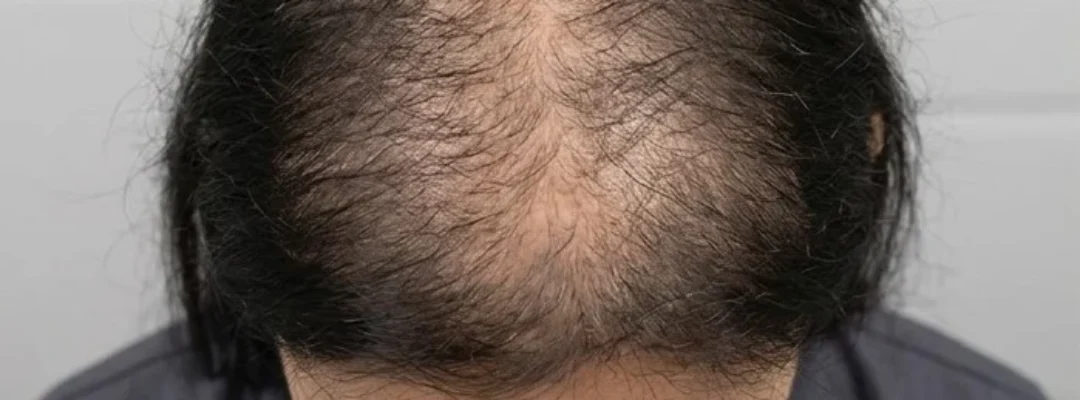
Polynucleotides Hair Before and After
Before-and-after photographs can help illustrate visible changes in hair density and scalp coverage following a personalised hair treatment plan. Results develop gradually as the hair and scalp respond to treatment, so photographs should be assessed over an appropriate period rather than immediately after treatment.
Before Treatment
Before treatment, patients may notice reduced hair density, increased scalp visibility, general thinning or weaker-looking hair. Some people may also have more noticeable thinning in specific areas of the scalp, depending on the underlying cause and pattern of hair loss.
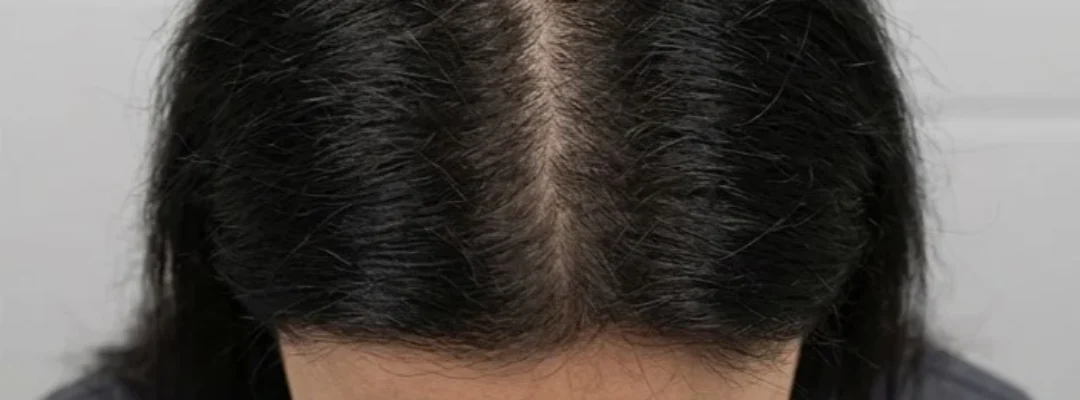
After Treatment
After completing the recommended treatment course and allowing sufficient time for hair growth, the hair may appear denser, fuller and more evenly distributed, with reduced scalp visibility in treated areas. The extent of improvement varies between individuals and depends on factors such as the underlying cause of hair loss, treatment plan and individual response.
How Long Do Polynucleotide Hair Results Last?
The longevity of any improvement can vary considerably.
Factors can include:
- underlying cause of hair loss
- progression of the condition
- age
- lifestyle
- hair-growth cycle
- treatment response
- maintenance treatment
Some patients may require maintenance appointments depending on their treatment plan.
Polynucleotide Hair Treatment Side Effects and Downtime
Temporary injection-site effects may occur after scalp treatment.
These can include:
- redness
- tenderness
- mild swelling
- bruising
- small injection-site bumps
- temporary scalp sensitivity
Recovery differs between individuals.
Patients should follow their practitioner’s aftercare guidance and contact the clinic if they experience unexpected, severe, worsening or persistent symptoms.
Polynucleotide Hair Treatment Aftercare
Your practitioner will provide personalised aftercare instructions following treatment.
Guidance may cover:
- touching or rubbing the scalp
- washing the hair
- hair products
- exercise
- heat exposure
- other scalp treatments
Follow the specific instructions provided by your practitioner rather than relying on general online advice.
When Will I See Results From Polynucleotides for Hair?
Changes in hair growth or density are not immediate.
Hair follicles operate through biological growth cycles, so visible improvement takes time.
The timeframe can vary according to:
- cause of hair thinning
- baseline density
- treatment course
- individual hair cycle
- age
- general health
- response to treatment

Our Founder
Dr. Naveed Shaikh - MBBS (Newcastle upon Tyne) MRCGP
Dr Naveed Shaikh is the founder of Vitalis Luxe Clinic and holds MBBS (Newcastle upon Tyne) and MRCGP qualifications. His medical background supports a consultation-led approach across men’s health and aesthetic care, with treatment decisions based on individual concerns, medical history, suitability and realistic goals.
Dr Naveed also sees patients at Optima Clinic in Hull, where consultations and selected treatments can be provided within a professional clinical setting.
Vitalis Luxe Clinic operates as Dr Naveed’s independent practice, providing personalised men’s health and aesthetic care. Where Optima Clinic is used as a consultation or treatment venue, Vitalis Luxe Clinic remains a separate independent service.
Why Choose Vitalis Luxe Clinic for Polynucleotide Hair Treatment?
Vitalis Luxe Clinic takes an individual approach to scalp and hair concerns.
Treatment begins with an assessment to understand your pattern of thinning and whether polynucleotide treatment is appropriate for your needs.
Our approach includes:
- personalised consultation
- scalp and hair assessment
- individual treatment planning
- realistic discussion of expected outcomes
- explanation of treatment limitations
- clear aftercare guidance
- private treatment in Cottingham, near Hull
Frequently Asked Questions About Cheek Filler
What are polynucleotides for hair?
Polynucleotides for hair are injectable scalp treatments used to support the scalp environment and biological processes associated with existing hair follicles.
Can polynucleotides help with hair loss?
Polynucleotides may be considered for selected types of hair thinning, but treatment suitability depends on the underlying cause, scalp condition and individual assessment.
Do polynucleotides regrow hair?
Polynucleotide treatment is being investigated for its potential role in supporting hair growth and density. Results vary, and treatment should not be presented as guaranteed hair regrowth.
How Much Does Polynucleotide Hair Treatment Cost?
The cost of polynucleotide hair treatment can depend on:
- product used
- size of the scalp area being treated
- number of sessions
- treatment plan
- maintenance requirements
Once Vitalis confirms its pricing, this section can display:
Polynucleotide Hair Treatment — £[CONFIRMED PRICE]
Where appropriate, both a single-session price and treatment-course cost can be shown clearly.
What Is the Best Polynucleotide Treatment for Hair?
There is no single polynucleotide product that should be described as universally best for every patient.
Product selection may depend on:
- scalp condition
- treatment area
- formulation
- pattern of thinning
- practitioner assessment
- treatment protocol
Polynucleotides vs Minoxidil for Hair Loss
Polynucleotides and minoxidil are different types of treatment.
Polynucleotides are administered through scalp injections by a practitioner.
Minoxidil is a medication used for certain types of hair loss.
They work differently and may have different roles within a hair-loss treatment plan.
Patients should seek appropriate clinical advice before starting, stopping or changing medication for hair loss.
Polynucleotides vs PRP for Hair Loss
Polynucleotides and PRP can both be used as injectable scalp treatments, but they are different.
Polynucleotides | PRP |
Uses a formulated polynucleotide product | Uses platelet-rich plasma prepared from the patient’s blood |
Injected into selected scalp areas | Injected into selected scalp areas |
Focuses on supporting the scalp and follicle environment | Uses concentrated platelets and associated growth factors |
Usually delivered as a treatment course | Usually delivered as a treatment course |
Suitability depends on assessment | Suitability also depends on assessment |
Neither treatment should be described as universally better.
The appropriate approach depends on the type of hair loss, scalp condition, existing follicles and treatment goals.
How many polynucleotide hair treatments are needed?
The number of sessions depends on the product, pattern of thinning, scalp condition, treatment protocol and individual response.
Do Polynucleotide Hair Injections Hurt?
Sensitivity varies between individuals.
Because treatment involves multiple injections into the scalp, patients may experience temporary discomfort or tenderness during or after the procedure.
Your practitioner can explain what to expect and how treatment comfort is managed before the procedure begins.
What Polynucleotide Hair Treatment Cannot Do
Polynucleotide treatment should not be described as a guaranteed solution for every type of hair loss.
It cannot diagnose the underlying cause of hair loss and should not replace appropriate medical assessment where another health condition may be contributing.
It should also not be presented as equivalent to a hair transplant, because the two treatments serve very different purposes.
A consultation helps determine whether polynucleotide treatment is relevant to the type of hair loss present.
Book Your Polynucleotide Hair Consultation
If you are considering polynucleotides for thinning hair, book a personalised consultation with Vitalis Luxe Clinic.
We can assess your hair and scalp, discuss your concerns and explain whether polynucleotide treatment or another approach may be more appropriate for you.