
Polynucleotides Under Eyes Treatment
Polynucleotides under eyes are an injectable treatment designed to improve the quality, texture and appearance of the delicate skin around the eyes. Treatment may be considered for concerns such as fine lines, crepey skin, tired-looking under-eyes and some types of dark circles.
Vitalis Luxe Clinic provides personalised under-eye polynucleotide treatment in Cottingham, near Hull, East Yorkshire. Rather than simply adding volume beneath the eyes, the treatment is used to support gradual skin-quality improvement in the under-eye area.
Looking to improve other areas of your skin? Explore our full range of polynucleotide treatments at Vitalis Luxe Clinic.
What Are Under-Eye Polynucleotides?
Polynucleotides are injectable compounds used in regenerative aesthetic treatments to support skin repair and improve skin quality.
When used around the eyes, the treatment focuses on the thin and delicate under-eye skin rather than simply filling a hollow.
The aim may include improving:
- skin texture
- hydration
- firmness
- fine lines
- crepey skin
- tired-looking under-eyes
- selected types of dark circles
How Do Polynucleotides Work Under the Eyes?
Under-eye polynucleotide injections are intended to support biological processes involved in skin repair and regeneration.
Rather than producing the immediate volume effect associated with dermal filler, the treatment is designed to work gradually within the skin.
Polynucleotide treatment is commonly associated with support for:
- collagen production
- elastin
- skin hydration
- tissue quality
- firmness
- skin texture
What Can Polynucleotides Under Eyes Improve?
The under-eye area can look tired for many different reasons.
Polynucleotides may be suitable where the main concern involves the quality of the skin itself.
Crepey or Thin Under-Eye Skin
The skin beneath the eyes is naturally delicate and can become thinner or more crepey with age.
Polynucleotide treatment may help improve the appearance of skin texture and firmness by supporting gradual regenerative processes within the treated area.
Fine Lines Around the Eyes
Fine lines can become more visible as skin quality, hydration and elasticity change.
Under-eye polynucleotides may help soften the appearance of fine lines by improving the condition and quality of the surrounding skin.
Dark Circles Under the Eyes
Dark circles do not have one single cause.
They may be influenced by:
- thin or translucent skin
- visible underlying blood vessels
- pigmentation
- shadows caused by under-eye hollows
- facial anatomy
- lifestyle factors
Tired-Looking Under-Eyes
Improved hydration, texture and firmness may give the under-eye area a fresher appearance.
However, treatment should be matched to the actual cause of the tired appearance rather than assuming every under-eye concern needs the same treatment.
What Happens During Polynucleotide Under-Eye Treatment?
The treatment area is assessed and cleansed before small amounts of product are placed into selected points around the under-eye region.
The exact injection technique, treatment area and amount used should be based on your anatomy and treatment plan.
Small raised bumps may temporarily be visible at injection sites immediately after treatment.
Temporary swelling, redness, tenderness or bruising can also occur.
Clinic competitors commonly describe these temporary injection-site bumps and swelling as expected early post-treatment effects.
What Happens During Your Consultation?
Your consultation allows the practitioner to assess what is actually causing your under-eye concern.
This may include looking at:
- skin thickness and texture
- fine lines
- dark circles
- pigmentation
- tear trough hollowing
- puffiness or eye bags
- facial anatomy
- previous filler or injectable treatments
The practitioner can then explain whether under-eye polynucleotides are appropriate or whether another treatment may better match the concern.
Who May Be Suitable for Under-Eye Polynucleotides?
Polynucleotides may be considered for adults concerned about the quality or appearance of their under-eye skin.
Treatment may be considered where concerns include:
- fine under-eye lines
- crepey skin
- thin-looking skin
- reduced skin firmness
- tired-looking eyes
- selected types of dark circles
- general under-eye skin quality
Suitability depends on your medical history, anatomy, previous treatments, current skin condition and expected outcome.
Polynucleotides Under Eyes Before and After
Your largest supporting query is:
polynucleotide under eyes before and after — 1,600 searches
with several additional variants around the same visual intent.
Google also shows strong image and image-pack visibility for the topic.
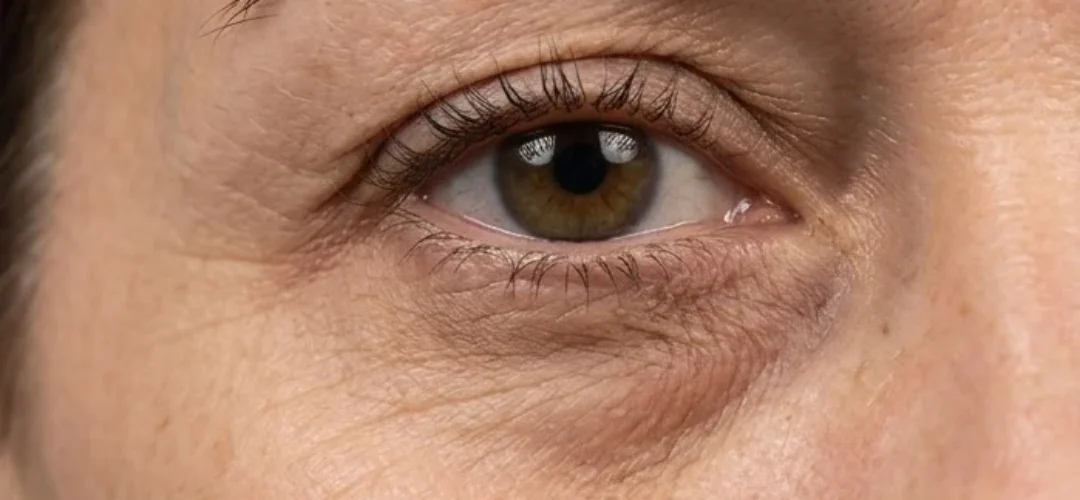
Before Treatment
Patients may have concerns such as:
- crepey skin
- fine lines
- tired-looking under-eyes
- uneven texture
- selected forms of dark circles
After Treatment
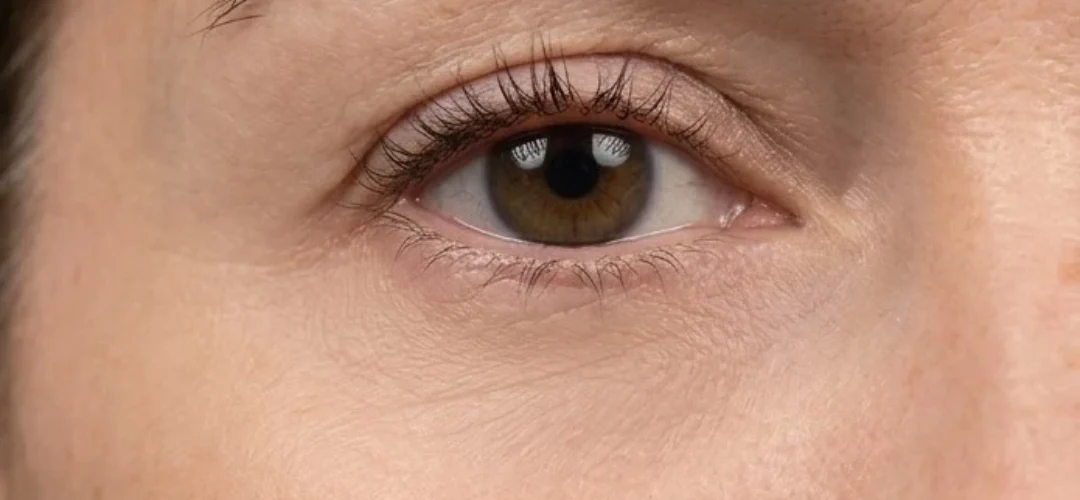
Changes should be evaluated after the recommended treatment course and appropriate settling period.
Results vary between individuals, and imagery should use similar lighting, angle and facial positioning wherever possible.
Polynucleotides Under Eyes Recovery and Downtime
Recovery tends to focus on temporary injection-site effects rather than a long surgical recovery.
Possible early effects can include:
- swelling
- redness
- tenderness
- bruising
- temporary small bumps at injection sites
Because the eye area is delicate, swelling can sometimes appear more noticeable there than in other facial areas.
Follow the aftercare instructions provided by your practitioner.
Polynucleotides Under Eyes Side Effects
Like other injectable aesthetic treatments, under-eye polynucleotides can cause side effects.
Common temporary effects may include:
- redness
- swelling
- tenderness
- bruising
- injection-site bumps
Less common complications are also possible, which is why treatment should follow an appropriate consultation and be performed by a suitably trained practitioner.
Polynucleotides Under Eyes Gone Wrong
Searchers also actively look for information about polynucleotides under eyes gone wrong.
Some early swelling or temporary injection-site bumps may be expected after treatment and do not necessarily indicate a complication.
However, symptoms that are severe, worsening, persistent or otherwise concerning should be assessed by an appropriately qualified healthcare professional.
Patients should receive clear information about expected recovery and how to contact the clinic if they have concerns after treatment.
Under-Eye Polynucleotide Aftercare
Your practitioner will provide personalised aftercare instructions.
General post-treatment advice may include avoiding unnecessary touching or pressure around the treated area and following the clinic’s guidance on skincare, exercise, makeup and other activities.
Because aftercare can vary by product and technique, the instructions provided by your treating practitioner should take priority.

Our Founder
Dr. Naveed Shaikh - MBBS (Newcastle upon Tyne) MRCGP
Dr Naveed Shaikh is the founder of Vitalis Luxe Clinic and holds MBBS (Newcastle upon Tyne) and MRCGP qualifications. His medical background supports a consultation-led approach across men’s health and aesthetic care, with treatment decisions based on individual concerns, medical history, suitability and realistic goals.
Dr Naveed also sees patients at Optima Clinic in Hull, where consultations and selected treatments can be provided within a professional clinical setting.
Vitalis Luxe Clinic operates as Dr Naveed’s independent practice, providing personalised men’s health and aesthetic care. Where Optima Clinic is used as a consultation or treatment venue, Vitalis Luxe Clinic remains a separate independent service.
Why Choose Vitalis Luxe Clinic for Under-Eye Polynucleotides?
At Vitalis Luxe Clinic, treatment begins with an assessment of your under-eye concern rather than assuming every dark circle, hollow or eye bag has the same cause.
Our approach includes:
- personalised under-eye assessment
- discussion of your treatment goals
- assessment of skin quality and facial anatomy
- realistic explanation of what polynucleotides may improve
- consideration of alternative treatments where appropriate
- individual treatment planning
- clear aftercare guidance
- private treatment in Cottingham, near Hull
Frequently Asked Questions About Cheek Filler
What are polynucleotides under eyes?
Under-eye polynucleotides are injectable treatments used to support skin-quality improvement around the delicate eye area. They may be considered for concerns such as fine lines, crepey skin and selected types of dark circles.
What do polynucleotides do under eyes?
They are used to support gradual improvements in skin quality, including texture, hydration and firmness, rather than primarily adding volume like dermal filler.
Do polynucleotides work under eyes?
They may improve selected under-eye skin-quality concerns. Results depend on the cause of the concern, individual anatomy and treatment plan.
Polynucleotides Under Eyes vs Tear Trough Filler
Polynucleotides and tear trough filler can both be used around the eye area, but they work differently.
Polynucleotides Under Eyes | Tear Trough Filler |
Focuses mainly on skin quality | Focuses mainly on volume loss |
Results develop gradually | Volume correction can be visible sooner |
May improve fine lines and crepey skin | May improve appropriate tear trough hollows |
Does not primarily work by adding volume | Adds hyaluronic-acid volume |
Suitable for different under-eye concerns | Requires appropriate anatomy and assessment |
So neither treatment is automatically “better”.
The correct choice depends on why the under-eye area looks tired, hollow, dark or crepey.
How Many Polynucleotide Sessions Are Needed Under the Eyes?
Under-eye polynucleotide treatment is commonly planned as a course rather than a single isolated appointment, but the number and spacing of sessions can vary according to the product used, treatment protocol and individual needs.
Your practitioner should recommend a personalised treatment schedule after consultation.
Do not hard-code a universal number of sessions on the Vitalis page unless the clinic confirms its own treatment protocol.
This is especially important because competitors vary in how they structure their courses.
What Is the Best Polynucleotide for Under Eyes?
There is no single product that should be described as the universal “best polynucleotide for under eyes”.
Product selection may depend on:
- formulation
- treatment area
- skin condition
- practitioner assessment
- treatment goals
How Much Do Polynucleotides Under Eyes Cost?
The cost of under-eye polynucleotide treatment can depend on:
- product used
- number of sessions
- treatment plan
- amount required
- whether maintenance treatments are planned
For users comparing prices, it is useful to explain both the individual session price and expected treatment-course cost where Vitalis has confirmed these figures.
Vitalis implementation
Polynucleotides Under Eyes — £[CONFIRMED PRICE]
Do not publish competitor prices as Vitalis pricing.
How many sessions of polynucleotides under eyes are needed?
The number of sessions depends on the treatment protocol, product and individual needs. Your practitioner can recommend an appropriate course following consultation.
What do under-eye polynucleotides look like immediately after treatment?
Small injection-site bumps, swelling, redness or bruising may be visible temporarily after treatment.
How long do polynucleotides last under eyes?
Results are temporary and longevity varies according to skin condition, treatment protocol, lifestyle and individual response.
Book an Under-Eye Polynucleotide Consultation
If you are considering polynucleotides under eyes, book a personalised consultation with Vitalis Luxe Clinic.
We can assess your under-eye skin, discuss what is contributing to your concern and explain whether polynucleotides or another treatment option may be more appropriate.x