


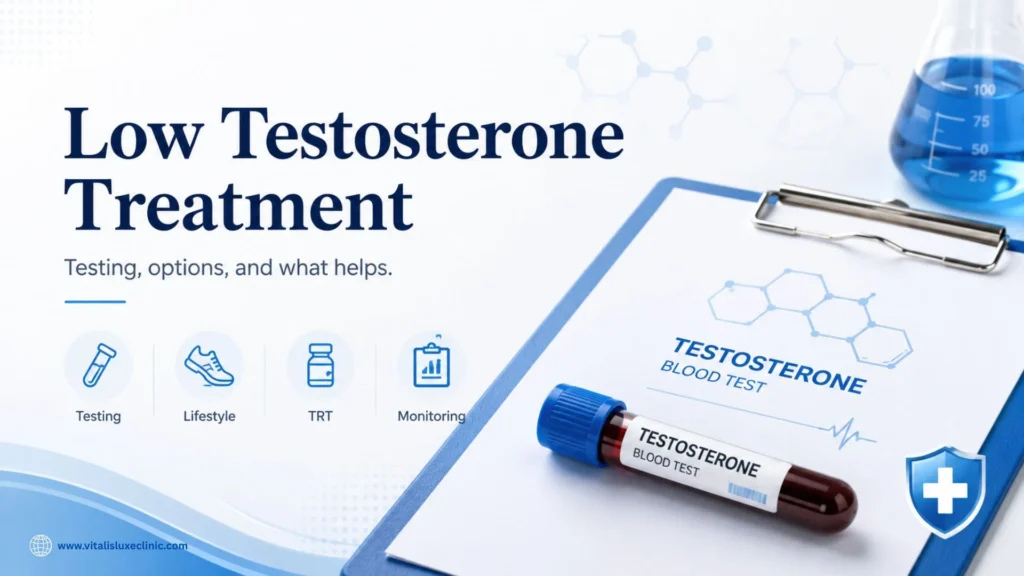

Low testosterone treatment can feel confusing at first, especially if you are not sure whether lifestyle changes, supplements, testing, or TRT is the right next step. What really works depends on the cause of low testosterone, the symptoms you have, and what your blood test results show.
For some people, better sleep, weight loss, strength training, less alcohol, and stress control may help support healthier testosterone levels. For others, low testosterone may be linked to a medical or hormone problem that needs proper testing and diagnosis before treatment is chosen.
TRT may be considered when testosterone is clinically low and symptoms match the results, but it is not the only answer. The safest treatment should match your symptoms, blood results, medical history, fertility plans, and long-term health.
Table of Contents
What does low testosterone mean?
Low testosterone means the body is not producing enough testosterone for normal health and wellbeing.
Testosterone is an important hormone. It supports sex drive, energy, mood, motivation, muscle mass, bone strength, red blood cell production, and reproductive health.
Low testosterone is also called:
- Low T
- Testosterone deficiency
- Low testosterone levels
- Male hypogonadism
- Androgen deficiency
These terms are related, but they are not always exactly the same. In simple words, they all describe a situation where testosterone may be lower than expected and may be causing symptoms.
Why low testosterone treatment is not one-size-fits-all
There is no single treatment that works for everyone with low testosterone.
That is because low testosterone can happen for different reasons. One person may have low testosterone because of poor sleep and weight gain. Another may have a testicular problem. Another may have a pituitary hormone issue. Another may have low testosterone because of medication, long-term illness, or previous anabolic steroid use.
If the cause is different, the treatment may also be different.
This is why a good low testosterone treatment plan should start with three questions:
- Is testosterone actually low?
- Why is testosterone low?
- What is the safest way to improve it?
Without these answers, treatment becomes guesswork.
Common symptoms linked with low testosterone
Low testosterone can affect the body in different ways.
Common symptoms may include:
- Low sex drive
- Fewer morning erections
- Erectile difficulties
- Ongoing tiredness
- Low mood
- Poor motivation
- Brain fog
- Reduced muscle mass
- Increased body fat
- Poor workout recovery
- Lower confidence
- Fertility concerns
- Weaker bones over time
These symptoms can be frustrating, but symptoms alone do not confirm low testosterone.
Low energy may come from poor sleep. Low mood may come from stress or depression. Weight gain may come from diet, inactivity, or insulin resistance. Erectile problems may have blood flow, nerve, hormone, or psychological causes.
That is why testing matters before treatment.
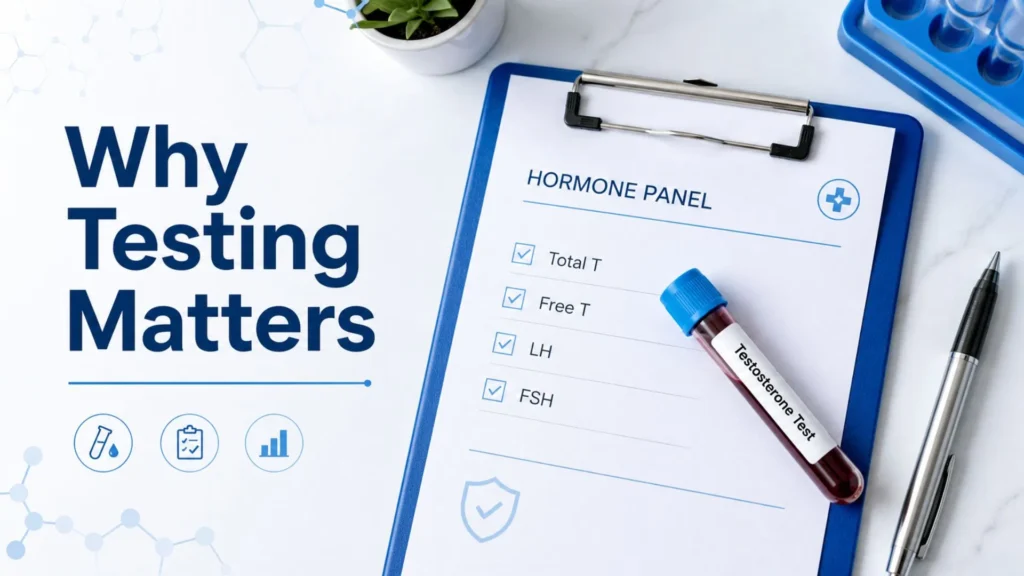
Why testing matters before treatment
The first thing that really helps is not treatment. It is proper testing.
A testosterone blood test helps confirm whether testosterone is actually low. It also helps show whether symptoms match the result.
A proper check may include:
- Total testosterone
- Free testosterone
- SHBG
- LH
- FSH
- Prolactin
- Oestradiol
- Full blood count
- Haematocrit
- Liver markers
- Kidney markers
- Cholesterol
- PSA where appropriate
Total testosterone shows the overall amount of testosterone in the blood.
Free testosterone shows the active testosterone available for the body to use.
SHBG is a protein that binds to testosterone. If SHBG is high or low, it can change how much active testosterone is available.
LH and FSH help show whether the brain is sending the right signals to the testicles.
Prolactin may be checked because high prolactin can affect hormone function.
Full blood count and haematocrit are important because TRT can affect red blood cell levels.
PSA may be checked where appropriate as part of prostate-related monitoring.
A simple testosterone result is useful, but a wider hormone picture is often more helpful.
Why one blood test may not tell the full story
Testosterone levels can change during the day.
They are often higher in the morning and lower later in the day. Poor sleep, stress, illness, alcohol, medication, heavy training, and recent weight changes can also affect testosterone levels.
This is why repeat testing may be needed if the first result is borderline or does not match the symptoms.
One low result does not always mean someone needs TRT. A proper diagnosis looks at symptoms, repeat results, related markers, and overall health.
What causes low testosterone?
Low testosterone can have many causes.
Some are linked to lifestyle. Some are linked to ageing. Others are linked to medical conditions or hormone signalling problems.
Common causes may include:
- Poor sleep
- Weight gain or obesity
- Type 2 diabetes
- High stress
- Heavy alcohol use
- Low physical activity
- Overtraining
- Some medications
- Long-term illness
- Testicular injury
- Pituitary gland problems
- Previous cancer treatment
- Previous anabolic steroid use
- Genetic conditions
- Hormone signalling problems
Finding the cause matters because treatment should target the reason, not just the number.
If testosterone is low because of poor sleep and excess body fat, improving sleep and body composition may help. If testosterone is low because of a testicular or pituitary issue, medical treatment may be needed.
What really helps low testosterone naturally?
Natural changes may help when low testosterone is linked with lifestyle, weight, sleep, stress, or general metabolic health.
Helpful steps may include:
- Losing excess body fat
- Getting enough sleep
- Strength training
- Eating enough protein
- Reducing alcohol
- Managing stress
- Treating sleep apnoea if present
- Improving blood sugar control
- Correcting nutrient deficiencies
- Stopping smoking
- Building a consistent exercise routine
These steps are not magic fixes. They may not correct clinically low testosterone in every case. But they can support better hormone health and overall wellbeing.
Lifestyle changes are also useful even if TRT is later needed. Better sleep, healthier weight, and improved fitness can help support better long-term results.
Do supplements really help low testosterone?
Supplements are one of the most confusing areas.
Many products claim to boost testosterone, but not all claims are strong. Supplements may help only if someone has a real deficiency, such as low vitamin D or low zinc. If levels are already normal, extra supplements may not make a big difference.
Supplements should not replace testing.
A safer approach is:
- Test first
- Check for deficiencies
- Fix diet and lifestyle
- Avoid unsafe hormone products
- Speak to a clinician before using strong supplements or hormone-like products
Be careful with products that promise fast testosterone increases, extreme muscle gain, or “natural TRT.” These claims are often too good to be true.
What is TRT?
TRT stands for testosterone replacement therapy.
It is a medical TRT treatment that replaces low testosterone with prescribed testosterone.
TRT may be considered when testosterone is clinically low and symptoms match the results.
TRT is not a general energy booster. It is not a gym shortcut. It is not suitable for everyone who feels tired or unmotivated.
It should only be considered after blood testing, clinical assessment, and safety checks.
When does TRT really help?
TRT may help when low testosterone is confirmed and symptoms are clearly linked to low levels.
Possible benefits may include:
- Improved sex drive
- Better energy
- Better mood
- Improved motivation
- Better erectile function in some people
- Support for muscle mass
- Better strength and recovery
- Improved bone density over time
- Better quality of life
Results vary from person to person.
Some people may notice changes in energy, mood, or libido within weeks. Other changes, such as muscle, body composition, or bone health, may take longer.
TRT works best when the right person is treated for the right reason and monitored properly.
When TRT may not be the right answer
TRT is not always the best first step.
It may not be suitable if symptoms are caused by another issue, such as thyroid problems, depression, poor sleep, untreated sleep apnoea, medication side effects, or lifestyle factors.
TRT also needs careful discussion if fertility is important. Testosterone treatment can reduce sperm production while treatment is being used.
A clinician should also review other risks before treatment, such as red blood cell levels, prostate-related markers where appropriate, cardiovascular risk, sleep apnoea risk, and medical history.
The goal is not just to start TRT. The goal is to choose the safest and most effective treatment plan.
TRT treatment options
TRT can be given in different forms.
The best option depends on clinical suitability, lifestyle, preference, cost, availability, and monitoring needs.
Testosterone gels
Testosterone gel is applied to the skin, often daily.
It can provide steady testosterone levels, but it must be used carefully. Skin contact after application may transfer testosterone to another person, so users need clear instructions.
Gels may suit people who prefer daily treatment and want to avoid injections.
Testosterone injections
Testosterone injections are another common TRT option.
Some injections are given more often. Others are longer acting. The schedule depends on the medication, dose, and treatment plan.
Injections may suit people who prefer planned dosing rather than daily gel.
Monitoring is important because testosterone levels can rise and fall depending on the injection type and timing.
Testosterone pellets
Testosterone pellets are placed under the skin and slowly release testosterone over time.
They are not used everywhere and may not be suitable for everyone. They require a minor procedure and still need follow-up monitoring.
Other treatment forms
Other TRT forms may include patches or tablets depending on availability and clinical suitability.
The safest treatment is not always the most popular option. It is the option that fits the person’s health, symptoms, blood results, and monitoring plan.
Low testosterone treatment in young men
Low testosterone in young men needs extra care.
It is less common than age-related testosterone decline, so the cause should be investigated properly.
Possible causes in young men may include:
- Testicular problems
- Pituitary hormone problems
- Medication
- Overtraining
- Eating disorders
- Obesity
- Sleep problems
- Previous steroid use
- Chronic illness
Fertility is especially important for young men. TRT can reduce sperm production, so fertility plans should be discussed before treatment starts.
For younger people, the best approach is to test properly, find the cause, review fertility plans, and choose treatment carefully.
Can TRT affect fertility?
Yes. TRT can reduce sperm production and may affect fertility.
This is one of the most important topics to discuss before starting treatment.
People who want children now or in the future should tell the clinician before TRT is considered. In some cases, fertility-focused treatment or specialist referral may be more suitable.
TRT should never be started without discussing fertility if it matters to the person.
Side effects and risks of TRT
TRT can help when used correctly, but it can also cause side effects.
Possible side effects may include:
- Acne
- Oily skin
- Mood changes
- Fluid retention
- Breast tenderness
- Raised red blood cell levels
- Reduced fertility
- Worsening sleep apnoea in some cases
- Prostate monitoring concerns where appropriate
This does not mean TRT is unsafe for everyone. It means treatment should be prescribed carefully and monitored over time.
Why monitoring is part of treatment
Monitoring is one of the most important parts of safe TRT.
Follow-up blood tests help check whether testosterone levels are in a suitable range and whether treatment is affecting other health markers.
Monitoring may include:
- Testosterone levels
- Full blood count
- Haematocrit
- Oestradiol
- PSA where appropriate
- Liver markers
- Cholesterol
- Symptoms
- Side effects
A safe treatment plan should not stop after the first prescription. It should include follow-up reviews and dose adjustments when needed.
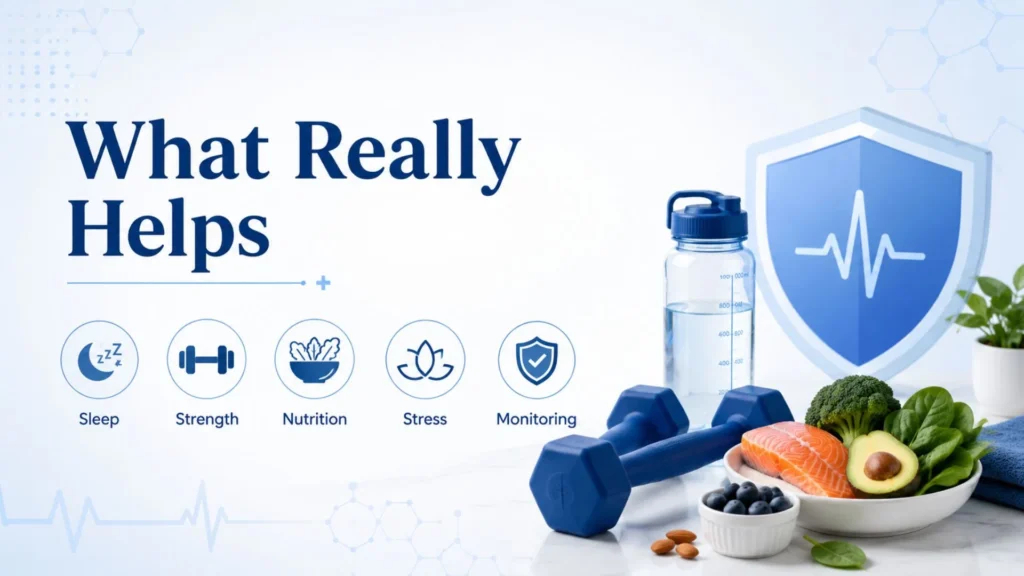
What really works for low testosterone?
The answer depends on the cause.
If low testosterone is linked with poor sleep, stress, weight gain, alcohol, or poor metabolic health, lifestyle changes may help.
If testosterone is clinically low and symptoms match, TRT may help.
If the cause is a pituitary problem, testicular problem, medication issue, fertility concern, or another medical condition, specialist care may be needed.
A simple way to understand it is:
Test first. Find the cause. Check safety. Choose the right treatment. Monitor progress.
That is what really works.
Low testosterone treatment in the UK
In the UK, low testosterone treatment may be accessed through different routes.
These may include:
- GP assessment
- NHS specialist referral
- Endocrinology services
- Urology services
- Private TRT clinics
- Regulated online medical providers
A GP may arrange initial blood tests and refer to a specialist if low testosterone is suspected.
Private TRT clinics may offer faster access to testing, consultation, treatment options, and ongoing monitoring. However, private treatment should still follow proper medical standards.
A safe provider should not prescribe testosterone without blood testing, clinical review, and follow-up care.
NHS low testosterone treatment
NHS low testosterone treatment may be available when testosterone deficiency is confirmed and treatment is clinically suitable.
The route may involve a GP, blood tests, and referral to an endocrinologist or urologist.
Access and waiting times can vary.
For some people, the NHS route is suitable. Others may consider private assessment if they want faster testing or more direct access to a testosterone consultation.
The most important point is safety. Whether treatment is NHS or private, testosterone should be prescribed and monitored properly.
Private low testosterone treatment
Private low testosterone treatments are provided by private TRT clinics, men’s health clinics, hormone clinics, or regulated online services.
A safe private provider should:
- Review symptoms carefully
- Arrange suitable blood testing
- Check related hormone markers
- Review medical history
- Ask about fertility plans
- Explain treatment options
- Explain side effects and risks
- Provide follow-up monitoring
- Adjust treatment when needed
Avoid any provider that offers testosterone without blood tests, prescription guidance, or ongoing monitoring.
When should you get help?
You should consider medical help if symptoms are ongoing and affecting daily life.
This may include:
- Low libido
- Ongoing fatigue
- Erectile difficulties
- Low mood
- Brain fog
- Poor recovery
- Reduced muscle mass
- Increased body fat
- Fertility concerns
A blood test and clinical review can help show whether low testosterone is part of the problem.
Concerned about low testosterone?
If you have symptoms such as low energy, low libido, poor recovery, low mood, brain fog or reduced motivation, low testosterone could be part of the problem.
Vitalis Luxe Clinic provides TRT treatment for clinically low testosterone with matching symptoms. The clinic can help with testosterone testing, medical guidance, treatment options and ongoing monitoring.
Final thoughts
Low testosterone treatment should not start with guessing.
The right treatment depends on symptoms, blood test results, possible causes, fertility plans, medical history, and safety checks.
For some people, lifestyle changes and treating the underlying cause may help. For others, TRT may be suitable when testosterone is clinically low and symptoms match.
The best approach is simple: test properly, understand the cause, choose the safest treatment, and monitor results over time.
FAQs
What is low testosterone treatment?
Low testosterone treatment means finding the cause of low testosterone and choosing the safest way to improve it. This may include lifestyle changes, treating another health issue, or TRT if testosterone is clinically low.
What really works for low testosterone?
What works depends on the cause. Better sleep, weight loss, exercise, stress control, treating health problems, and TRT may help in different situations.
Is TRT the only treatment for low testosterone?
No. TRT is one treatment option, but it is not the only option. Some people may need lifestyle changes, repeat testing, medication review, or treatment for another health condition.
Do I need a blood test before treatment?
Yes. A blood test is needed before low testosterone treatment. It helps confirm whether testosterone is low and whether symptoms match the result.
What blood tests are used for low testosterone?
Common checks may include total testosterone, free testosterone, SHBG, LH, FSH, prolactin, oestradiol, full blood count, cholesterol, liver markers, kidney markers, and PSA where appropriate.
Can low testosterone be treated naturally?
Some people may improve testosterone levels with better sleep, weight loss, strength training, less alcohol, better diet, and stress management. Natural changes may help most when levels are borderline or lifestyle-related.
When is TRT considered?
TRT may be considered when testosterone is clinically low, symptoms match, and treatment is safe after medical review.
Can young men get low testosterone treatment?
Yes, but young men need careful assessment. Fertility plans, hormone markers, testicular health, pituitary function, medication, and lifestyle factors should be reviewed before treatment.
Can TRT affect fertility?
Yes. TRT can reduce sperm production and may affect fertility. Anyone planning to have children should discuss this before starting TRT.
Where can I get low testosterone treatment in the UK?
Low testosterone treatment may be available through GP assessment, NHS specialist referral, endocrinology, urology, private TRT clinics, or regulated online medical providers.