
Temple Filler
Temple filler is a non-surgical aesthetic treatment used to restore volume in hollow or sunken temples. Carefully placed dermal filler can soften visible hollows and create a smoother transition between the forehead, temples and cheek area, helping the upper face appear more balanced.
Vitalis Luxe Clinic provides temple filler treatment in Cottingham, near Hull, East Yorkshire. Each treatment begins with a consultation and facial assessment to understand the degree of temple hollowing, your wider facial proportions and the result you would like to achieve.
To explore other areas that can be treated, see our wider range of dermal filler treatments for facial volume, contour and balance.
What Is Temple Filler?
Temple filler is an injectable dermal filler treatment for the temporal area — the region between the outer eyebrow, forehead, hairline and upper cheek.
Many treatments use hyaluronic acid dermal filler to restore volume where the temples appear hollow. The product, amount and placement need to be selected according to individual anatomy and the degree of volume loss.
Treatment should not simply make the temples look “fuller”. The aim is usually to soften hollowing and maintain a natural transition across the upper face.
The UK SERP consistently connects temple filler with dermal filler, hyaluronic acid, temporal hollowing and restoration of lost volume.
Why Do Temples Become Hollow?
Temple hollowing can develop naturally with age as facial fat, soft tissue and underlying structural support change over time. Some people also have naturally deeper temples because of their facial anatomy.
Changes may also become more noticeable following significant weight loss or when volume is reduced elsewhere in the upper face.
As the temples become more hollow, shadows can appear around the sides of the forehead and outer eye area. This may make the upper face look more angular, sunken or tired.
What Can Temple Filler Improve?
Temple filler may restore volume where the temporal area has become visibly hollow. Carefully planned treatment can soften the depression between the forehead and cheekbone and create a smoother upper-face contour.
It may also improve overall facial balance by reducing a strong contrast between hollow temples and fuller neighbouring areas such as the forehead or cheeks.
In selected patients, restoring temple volume may provide subtle support around the outer brow. The extent of any visible change depends on anatomy, existing volume loss and the treatment plan, so it should not be presented as a guaranteed brow lift.
Benefits of Temple Filler
Depending on your anatomy and treatment goals, temple filler may help:
- restore volume in hollow or sunken temples
- soften visible temporal depressions
- create a smoother forehead-to-cheek transition
- improve upper-face balance
- soften an overly angular or gaunt appearance
- support more harmonious facial proportions
- create subtle, natural-looking rejuvenation
Who May Be Suitable for Temple Filler?
Temple filler may be considered by adults who have visible temporal hollowing and want to restore volume or improve upper-face balance.
It may be relevant where hollowing is associated with:
- natural facial anatomy
- age-related volume changes
- significant weight loss
- a gaunt or sunken appearance through the temples
- imbalance between the temples and surrounding facial areas
Suitability should be determined following facial and medical assessment rather than from photographs alone.
Why Temple Anatomy Matters
The temple is an anatomically complex area containing important blood vessels, nerves and other structures.
This makes detailed anatomical knowledge and appropriate injection technique particularly important when treating this region. Several UK competitor pages specifically position temple filler as an advanced treatment because of the anatomy involved.
The NHS advises anyone considering dermal fillers to ask about the practitioner’s qualifications, training, experience, product used, complications and aftercare before proceeding.
Temple Filler and Facial Balance
The temples are sometimes overlooked because they are not as prominent as the lips, cheeks or jawline, but they contribute to the overall shape of the face.
A hollow temple can interrupt the natural transition between the forehead, brow and cheekbone. Restoring selected volume may make these areas appear more continuous and balanced.
This is why temple treatment should be planned as part of the whole face rather than assessing the temples in isolation.
Can Temple Filler Lift the Brows?
Temple filler is sometimes described as providing a lifting effect around the outer brow.
Restoring volume in the temple may create subtle support in the surrounding tissues in selected patients, which can influence the appearance of the brow and upper face.
However, temple filler is not a surgical brow lift and should not be expected to produce the same result. Whether any lifting effect is noticeable depends on your anatomy and the reason for the concern.
Temple Filler Before and After Results
Temple filler before-and-after photographs can demonstrate changes in temporal volume, upper-face contour and the transition between the forehead, temples and cheeks.
Results vary between patients because facial anatomy, the degree of volume loss and treatment requirements are different.
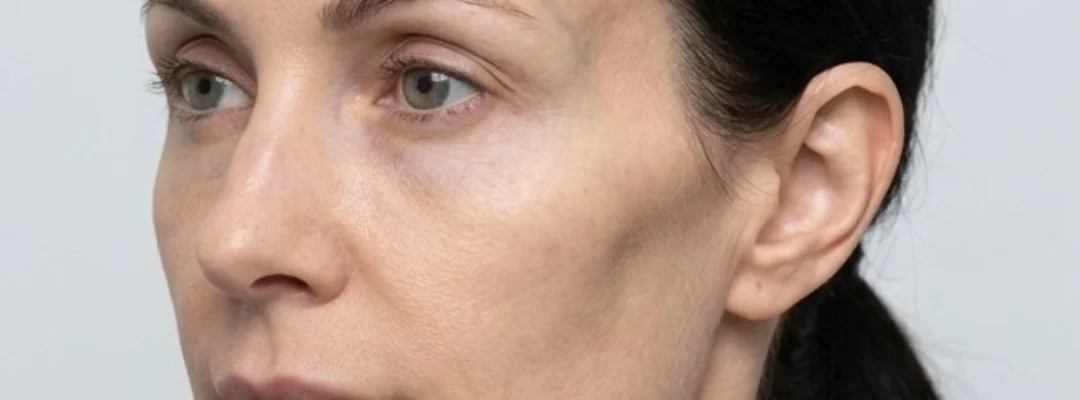
Before Temple Filler Treatment t
Before treatment, the temples may appear hollow, sunken or more angular than surrounding areas of the upper face. The depth of the hollow may also differ from one side to the other.
During consultation, the practitioner assesses the temples alongside the forehead, brows, cheeks and cheekbones to understand how the area contributes to overall facial balance.
The treatment plan should then be based on your own facial structure rather than attempting to reproduce another patient’s result.
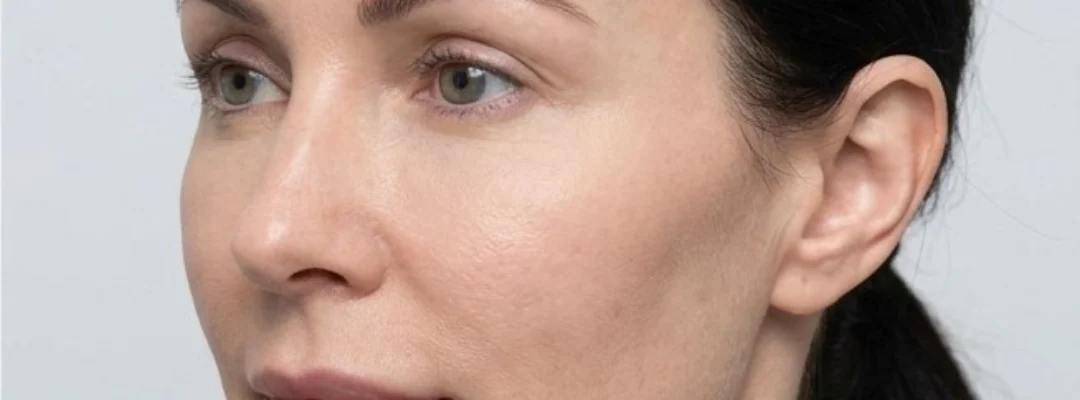
After Temple Filler Treatment
After suitable treatment, the temples may appear softer and less hollow, creating a smoother transition across the upper face.
Changes may be visible shortly after treatment, although temporary swelling can affect the initial appearance.
The final result varies according to anatomy, filler placement and the amount used, so treatment outcomes should always be discussed individually.
Temple Filler Aftercare and Recovery
Follow the personalised aftercare instructions provided after your treatment.
You may be advised to avoid pressure on the treated area and temporarily avoid activities that could increase swelling or interfere with recovery. The exact advice should come from your treating practitioner.
If you are unsure whether something you experience is expected, contact the clinic rather than relying solely on general advice found online.
How Long Does Temple Filler Take to Settle?
Some change may be visible immediately after treatment, but the initial appearance may not represent the final result.
Temporary swelling, tenderness or bruising may affect the temple area during the early recovery period.
Allowing these effects to settle provides a better indication of the final appearance. Follow the aftercare instructions given by your practitioner and contact the clinic if you have concerns.
Can Temple Filler Be Combined With Other Dermal Fillers?
Temple filler can be considered alongside other facial areas when a broader assessment identifies volume or balance concerns elsewhere.
For example, the cheeks and cheekbones have a visual relationship with the temples and may be considered during treatment planning.
This does not mean multiple treatments are necessary. Each area should only be treated where appropriate for the patient’s anatomy and goals.
How Long Does Temple Filler Last?
Temple filler provides temporary results.
How long the result remains visible depends on the filler product, amount and placement used, individual metabolism and other personal factors.
Current UK competitor guidance commonly discusses temple filler as a longer-lasting filler area, but duration still varies between individuals and products, so Vitalis should avoid promising one fixed timeframe.
Your practitioner can explain the expected longevity of the particular treatment plan during consultation.

Our Founder
Dr. Naveed Shaikh - MBBS (Newcastle upon Tyne) MRCGP
Dr Naveed Shaikh is the founder of Vitalis Luxe Clinic and holds MBBS (Newcastle upon Tyne) and MRCGP qualifications. His medical background supports a consultation-led approach across men’s health and aesthetic care, with treatment decisions based on individual concerns, medical history, suitability and realistic goals.
Dr Naveed also sees patients at Optima Clinic in Hull, where consultations and selected treatments can be provided within a professional clinical setting.
Vitalis Luxe Clinic operates as Dr Naveed’s independent practice, providing personalised men’s health and aesthetic care. Where Optima Clinic is used as a consultation or treatment venue, Vitalis Luxe Clinic remains a separate independent service.
Why Choose Vitalis Luxe Clinic for Temple Filler?
- Personalised consultation before treatment
- Assessment of temple hollowing and overall facial proportions
- Treatment planning based on individual anatomy
- Conservative approach to volume restoration
- Clear discussion of expected results, risks and aftercare
- Private aesthetic treatment in Cottingham, near Hull, East Yorkshire
Vitalis Luxe Clinic provides temple filler treatment in Cottingham, near Hull, East Yorkshire. Each consultation considers the temples alongside the surrounding upper-face features so that treatment can be planned around your individual facial structure and goals.
Frequently Asked Questions About Cheek Filler
What does temple filler do?
Temple filler restores volume to selected areas of the temples. It may soften visible hollowing and create a smoother transition between the forehead, temples and cheeks.
Why do temples become hollow?
Temple hollowing can be related to natural facial anatomy, ageing-related changes in facial fat and supporting structures, or significant weight loss.
Does temple filler make you look younger?
Restoring volume to hollow temples may create a softer and more balanced upper-face appearance. Results vary according to anatomy and the degree of volume loss, so treatment should not be presented as guaranteeing a younger appearance.
Is Temple Filler Worth It?
Whether temple filler is appropriate depends on the concern you want to address and what you expect treatment to achieve.
For someone with noticeable temple hollowing, restoring volume may help create a softer and more balanced upper-face appearance. For another patient, temple filler may not be necessary or another treatment may better address the concern.
The consultation should therefore establish realistic goals, possible benefits, limitations, risks and cost before you decide whether treatment is worthwhile for you.
How Much Does Temple Filler Cost?
Temple filler cost depends on the amount of product required and the individual treatment plan.
Price should be considered alongside the practitioner’s qualifications and experience, the product being used, consultation, treatment planning and aftercare.
Vitalis implementation:
Temple Filler — from £[CONFIRMED PRICE]
Final pricing should be confirmed during consultation once the treatment requirements are understood.
Cost is an important commercial SERP attribute, including dedicated UK cost searches.
Temple Filler Side Effects and Risks
Temporary reactions after dermal filler may include:
- swelling
- bruising
- redness
- tenderness around the treated area
Less common complications can be more serious and require professional assessment.
Contact your treating practitioner promptly if you develop unexpected, worsening or concerning symptoms following treatment.
Safety is a core intent for this query: “Is temple filler high risk?” and related danger/side-effect questions feature prominently in the supplied SERP.
What Happens During Temple Filler Treatment?
If treatment is considered appropriate, dermal filler is placed into selected areas of the temple according to the agreed treatment plan.
The injection technique and placement depend on your anatomy, the product selected and the degree of volume restoration required.
Treatment should be conservative and individually planned. The goal is usually to soften hollowing and restore proportion rather than create obvious fullness in the temple area.
How Much Temple Filler Do You Need?
There is no fixed amount of filler that is suitable for every patient.
The quantity considered depends on the degree of hollowing, symmetry, facial size, product used and desired result.
Someone with subtle temple volume loss may require a different approach from a patient with deeper hollowing. The amount should therefore be decided after assessment rather than by copying another person’s treatment volume.
Can men have temple filler?
Yes. Temple filler can be considered for both men and women where temple hollowing or upper-face volume loss is a suitable concern to address.
Is temple filler dangerous?
Temple filler carries potential risks because the temporal region has complex anatomy. Treatment should follow careful assessment and be performed by an appropriately trained and experienced practitioner.
Book a Temple Filler Consultation
If you are considering temple filler, book a consultation with Vitalis Luxe Clinic to discuss your concerns and desired result.
Your consultation gives you the opportunity to understand why your temples appear hollow, whether treatment is suitable, what result may be achievable and what you should know about risks and aftercare before making a decision.