
Tear Trough Filler
Tear trough filler is a non-surgical aesthetic treatment used to restore volume beneath the eyes and soften the appearance of under-eye hollows. Carefully placed dermal filler may create a smoother transition between the lower eyelid and upper cheek, helping the under-eye area appear less hollow or shadowed.
Vitalis Luxe Clinic provides tear trough filler treatment in Cottingham, near Hull, East Yorkshire. Treatment begins with an assessment of the under-eye area to determine what is causing the concern and whether dermal filler is a suitable option for you.
To explore other facial treatment areas, see our wider range of dermal filler options designed to restore volume, improve facial balance and enhance definition.
What Is Tear Trough Filler?
Tear trough filler is an injectable dermal filler treatment for the hollow area between the lower eyelid and upper cheek.
This area is known as the tear trough. When it becomes more noticeable, it can create a groove or shadow beneath the eye that may make the face appear tired even when you feel well rested.
Many tear trough treatments use carefully selected hyaluronic acid dermal filler to restore volume in the under-eye area. The amount and exact placement should be planned according to individual anatomy because the skin and structures around the eyes are delicate.
What Is the Tear Trough?
The tear trough is the groove that begins near the inner corner of the eye and follows the transition between the lower eyelid and upper cheek.
Its appearance varies naturally between people. Some people have visible under-eye hollowing from a younger age, while others notice that the area becomes more prominent as facial volume and supporting tissues change over time.
Tear Trough Filler for Under-Eye Hollows
Under-eye hollows are one of the main concerns associated with tear trough filler.
When volume is reduced beneath the eye, the area may develop a noticeable depression between the lower eyelid and upper cheek. Carefully planned filler placement may restore some of this volume and reduce the depth of the hollow.
The objective is usually subtle correction rather than creating visible fullness beneath the eyes.
Can Tear Trough Filler Improve Dark Circles?
Tear trough filler may improve the appearance of some dark circles, particularly when they are caused mainly by shadowing from an under-eye hollow.
Adding volume can reduce the depth of the groove and therefore change how light falls across the area.
However, dark circles can also result from pigmentation, thin skin, visible blood vessels or other factors. Filler does not remove pigmentation, so consultation should establish why the area appears dark before treatment is recommended.
This distinction is an important content opportunity because the SERP shows that users frequently group hollows, pigmentation, bags and shadowing together even though they are different concerns.
Under-Eye Hollows vs Eye Bags
Under-eye hollows and eye bags are not the same concern.
A hollow usually appears as a depression or groove beneath the eye, while an eye bag involves prominence or fullness in the lower eyelid area.
Some people can have both at the same time.
Adding filler to an area where puffiness or prominent bags are the main concern may not produce the desired result. The under-eye area therefore needs to be assessed before deciding whether tear trough filler is suitable.
The appearance of the under-eye area can also be influenced by skin quality, pigmentation and the natural shape of the eye socket. A consultation helps identify the main concern and determine whether tear trough filler is an appropriate treatment option.
What Happens During a Tear Trough Filler Consultation?
Your consultation begins with a discussion about the under-eye concern you would like to improve.
The practitioner will assess whether the appearance is mainly related to hollowness, shadowing, eye bags, skin characteristics, pigmentation or another factor.
The relationship between the lower eyelid and cheek may also be assessed because mid-face volume and cheek support can influence the appearance of the tear trough.
If filler is considered suitable, the consultation should cover the proposed treatment area, product, expected outcome, limitations, possible side effects, risks and aftercare before you decide whether to proceed.
Who May Be Suitable for Tear Trough Filler?
Tear trough filler may be considered for adults whose main concern is visible under-eye hollowing or volume loss between the lower eyelid and cheek.
Good treatment planning depends on identifying the cause of the under-eye appearance rather than assuming every patient with dark circles needs filler.
Your consultation should consider your facial anatomy, existing under-eye volume, cheek support, skin characteristics, medical history, previous aesthetic treatments and the result you want to achieve.
Who May Not Be Suitable for Tear Trough Filler?
Tear trough filler is not suitable for every under-eye concern.
People whose main concern is prominent eye bags, persistent puffiness, significant skin laxity or pigmentation may require a different approach. Some patients may also benefit more from addressing cheek or mid-face support rather than placing filler directly beneath the eye.
Suitability needs to be established through individual assessment rather than from photographs alone.
This is particularly important because the SERP shows that candidate selection and alternatives are major parts of the search journey.
Tear Trough Filler Before and After Results
Tear trough filler before-and-after photographs can show changes in under-eye hollowing, shadowing and the transition between the lower eyelid and cheek.
Results vary because patients have different anatomy and different causes of under-eye concerns. Before-and-after images should therefore demonstrate realistic treatment outcomes rather than guarantee that every patient will achieve the same change.
Before Tear Trough Filler Treatment
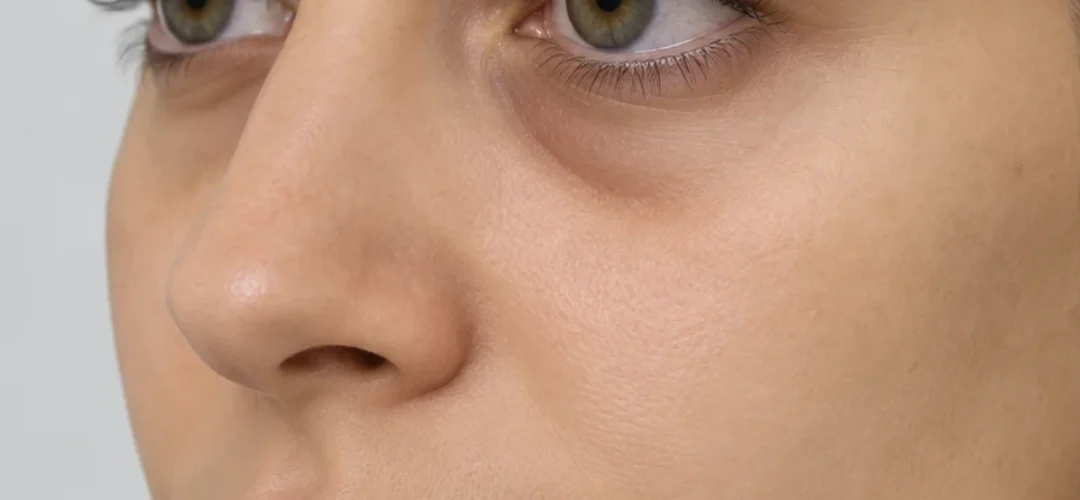
Before treatment, the under-eye area may show visible hollowing or a deeper groove between the lower eyelid and cheek. This can create shadowing and contribute to a tired-looking appearance.
The practitioner assesses the tear trough as well as surrounding areas such as the cheeks. This helps determine whether loss of volume is the main concern and whether filler may be appropriate.
Treatment planning should be based on your own anatomy rather than attempting to reproduce another patient’s before-and-after result.
After Tear Trough Filler Treatment
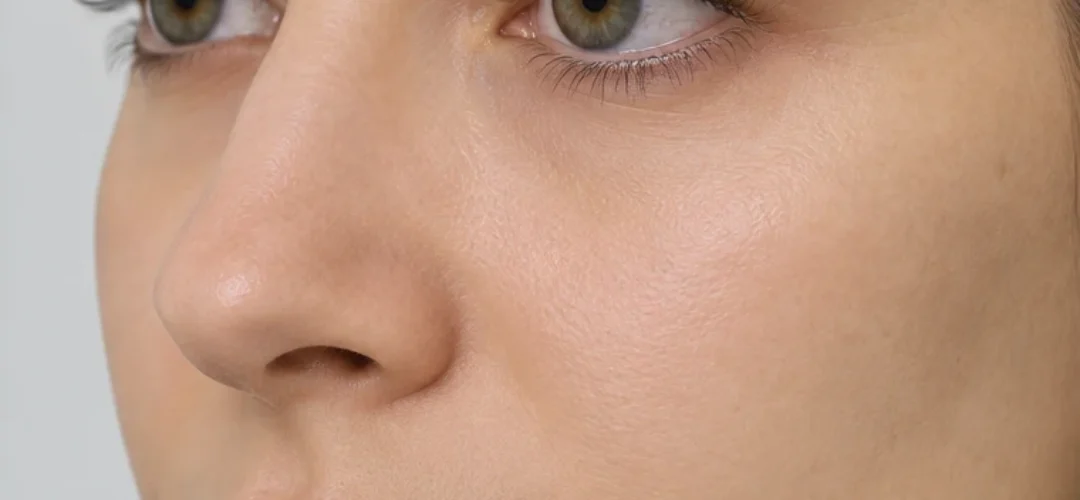
After suitable treatment, the under-eye hollow may appear less pronounced and the transition from the lower eyelid to the cheek may look smoother.
Some improvement may be visible soon after treatment, although swelling can affect the initial appearance.
The result should be assessed after early post-treatment effects have settled. Individual results vary according to anatomy, product selection and filler placement.
Does Tear Trough Filler Hurt?
People experience injectable aesthetic treatments differently.
You may feel pressure, pinching or temporary discomfort while filler is being placed. The level of discomfort can vary according to individual sensitivity, the treatment technique and the product used.
Your practitioner can explain what comfort measures may be appropriate before treatment begins.
How Much Tear Trough Filler Do You Need?
There is no standard amount of tear trough filler suitable for everyone.
The amount considered depends on the depth of the hollow, facial anatomy, cheek support, the product being used and the result you want to achieve.
Because the under-eye area is relatively small and delicate, treatment planning should focus on appropriate placement rather than choosing a fixed amount of filler based on another patient’s result.
Tear Trough Filler Side Effects and Risks
Tear trough filler is an injectable cosmetic treatment and carries potential side effects and complications.
Temporary swelling, tenderness, redness or bruising may occur around the treatment area. Other problems can include persistent puffiness, irregularities or an unwanted aesthetic result.
Less common filler complications can be more serious. The NHS advises patients considering dermal fillers to ask about the product being used and the practitioner’s qualifications and experience, and notes that filler complications can include infection, nerve damage and blindness.
Because the area around the eyes is particularly delicate, risks and suitability should be discussed clearly before treatment.
Can Tear Trough Filler Migrate?
Migration is a concern frequently searched by patients considering under-eye filler.
Filler may sometimes appear outside the intended treatment area or produce an irregular or unwanted appearance. However, a change in appearance does not automatically mean migration has occurred, as swelling, product behaviour and anatomy can also affect how the area looks.
If you notice an unexpected change after treatment, contact an appropriately qualified practitioner for assessment rather than trying to diagnose or correct the problem yourself.
Your keyword set shows dedicated search demand around tear trough filler migration, confirming that this is a useful section rather than something to hide within an FAQ.

Our Founder
Dr. Naveed Shaikh - MBBS (Newcastle upon Tyne) MRCGP
Dr Naveed Shaikh is the founder of Vitalis Luxe Clinic and holds MBBS (Newcastle upon Tyne) and MRCGP qualifications. His medical background supports a consultation-led approach across men’s health and aesthetic care, with treatment decisions based on individual concerns, medical history, suitability and realistic goals.
Dr Naveed also sees patients at Optima Clinic in Hull, where consultations and selected treatments can be provided within a professional clinical setting.
Vitalis Luxe Clinic operates as Dr Naveed’s independent practice, providing personalised men’s health and aesthetic care. Where Optima Clinic is used as a consultation or treatment venue, Vitalis Luxe Clinic remains a separate independent service.
Why Choose Vitalis Luxe Clinic for Tear Trough Filler?
- Personalised tear trough filler consultation
- Assessment of the under-eye area and surrounding facial structure
- Treatment planning based on individual anatomy and suitability
- Careful consideration of hollows, bags, shadowing and cheek support
- Clear discussion of expected outcomes, limitations, risks and aftercare
- Private aesthetic treatment in Cottingham, near Hull, East Yorkshire
Vitalis Luxe Clinic provides tear trough filler treatment in Cottingham, near Hull, East Yorkshire. Each consultation assesses the cause of your under-eye concern before determining whether direct tear trough filler or another treatment approach may be more appropriate.
Frequently Asked Questions About Cheek Filler
What does tear trough filler do?
Tear trough filler adds volume to selected areas beneath the eyes. Where under-eye hollowness is the main concern, it may soften the groove and create a smoother transition between the lower eyelid and cheek.
Does tear trough filler get rid of dark circles?
It may improve dark shadowing caused by under-eye hollows, but it does not directly remove pigmentation or every cause of dark circles. Assessment is needed to identify what is causing the darker appearance.
How Much Does Tear Trough Filler Cost?
Tear trough filler cost depends on the treatment plan, product used and amount required.
Price should also be considered alongside practitioner experience, consultation, patient assessment, aftercare and how complications would be managed if they occurred.
Vitalis implementation:
Tear Trough Filler — from £[CONFIRMED PRICE]
The final treatment cost should be confirmed following consultation.
Cost is a meaningful UK search intent, including dedicated searches for tear trough filler cost and tear trough filler cost UK.
Does tear trough filler work for eye bags?
Tear trough filler is primarily used for hollowing rather than removing eye bags. People with prominent bags or puffiness may require a different treatment approach.
Tear Trough Filler vs Cheek Filler
Tear trough filler and cheek filler address related but different areas.
Tear trough filler focuses primarily on hollowing beneath the lower eyelid.
Cheek filler focuses on restoring or adding volume within the mid-face and enhancing cheek contours.
In some patients, reduced cheek support can contribute to the appearance of the under-eye area. A practitioner may therefore assess both areas before deciding whether direct tear trough treatment, cheek support or another approach is most suitable.
How Long Does Tear Trough Filler Take to Settle?
The first appearance immediately after treatment may not represent the final result.
Temporary swelling or bruising can change the way the under-eye area looks during early recovery.
Allowing the area time to settle provides a better indication of the final appearance. Follow the aftercare guidance given by your practitioner and contact the clinic if you are concerned about your recovery.
Does Tear Trough Filler Hurt?
People experience injectable aesthetic treatments differently.
You may feel pressure, pinching or temporary discomfort while filler is being placed. The level of discomfort can vary according to individual sensitivity, the treatment technique and the product used.
Your practitioner can explain what comfort measures may be appropriate before treatment begins.
Is tear trough filler safe?
Dermal filler carries potential side effects and complications. The under-eye area requires careful patient selection, anatomical assessment, appropriate product placement and clear discussion of risks before treatment.
Why Can Tear Trough Filler Look Puffy?
Puffiness can occur for different reasons, including temporary swelling immediately after treatment.
An under-eye area that already tends to retain fluid or has prominent bags may also respond differently to added filler.
Product choice, filler amount, placement and individual anatomy can all influence the result. This is why conservative treatment and careful patient selection are especially important around the eyes.
What Can Tear Trough Filler Improve?
Tear trough filler may help restore volume where hollowness has developed beneath the eyes. Filling selected areas can soften the depth of the tear trough and create a smoother transition between the lower eyelid and cheek.
Treatment may also reduce some shadowing caused by a deep under-eye hollow. This can make the area appear fresher where volume loss is the main reason for the dark appearance.
However, filler does not directly treat every type of dark circle. If pigmentation, visible vessels, skin laxity or another factor is responsible for the concern, a different treatment may be more appropriate.
Book a Tear Trough Filler Consultation
If you are considering tear trough filler, book a consultation with Vitalis Luxe Clinic to discuss your under-eye concerns and treatment goals.
Your consultation gives you the opportunity to understand what is causing the appearance, what filler may realistically improve and whether another treatment option may be more suitable.